

On a Shelby, a little red fire truck and the fine art of making the back of a car worth a second look.
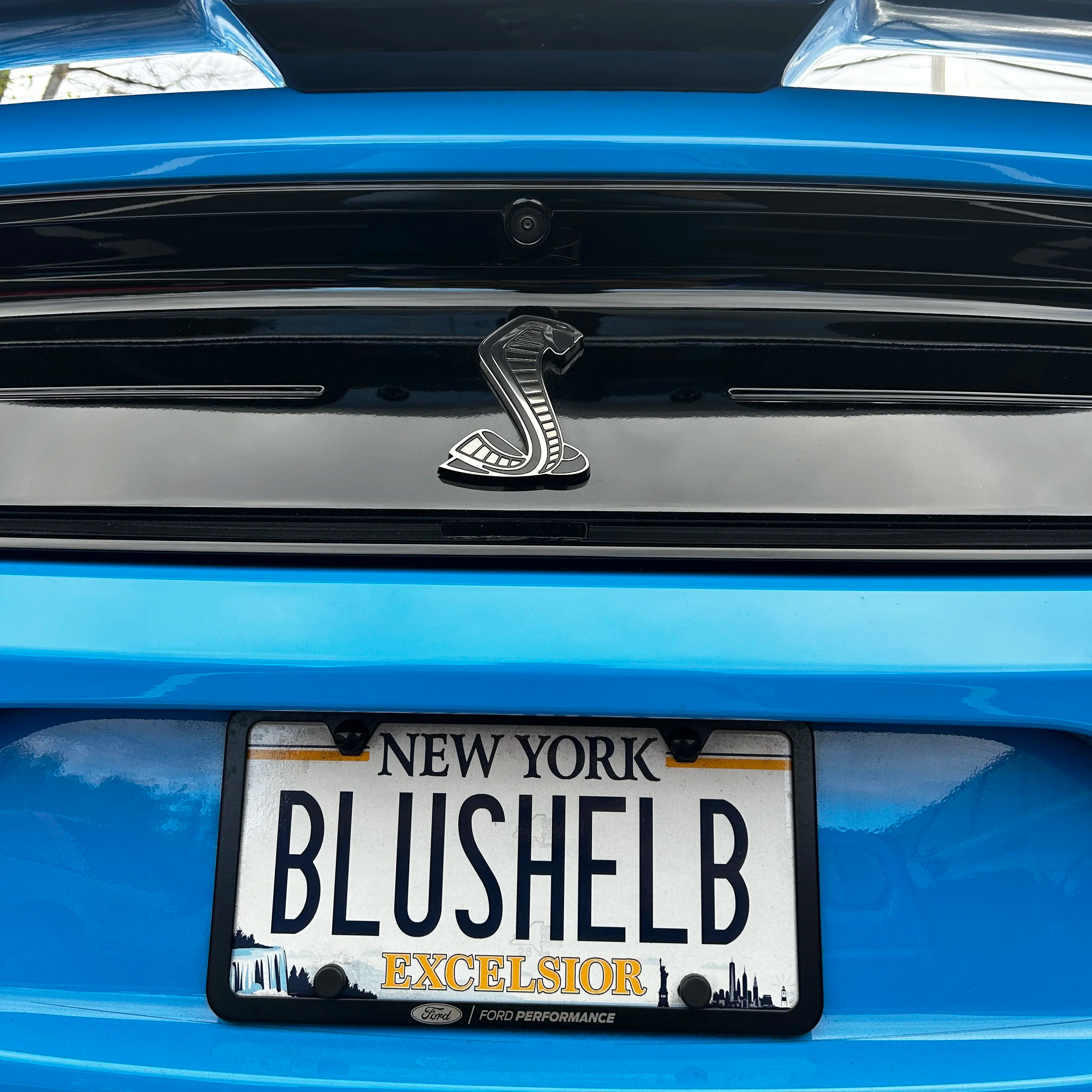
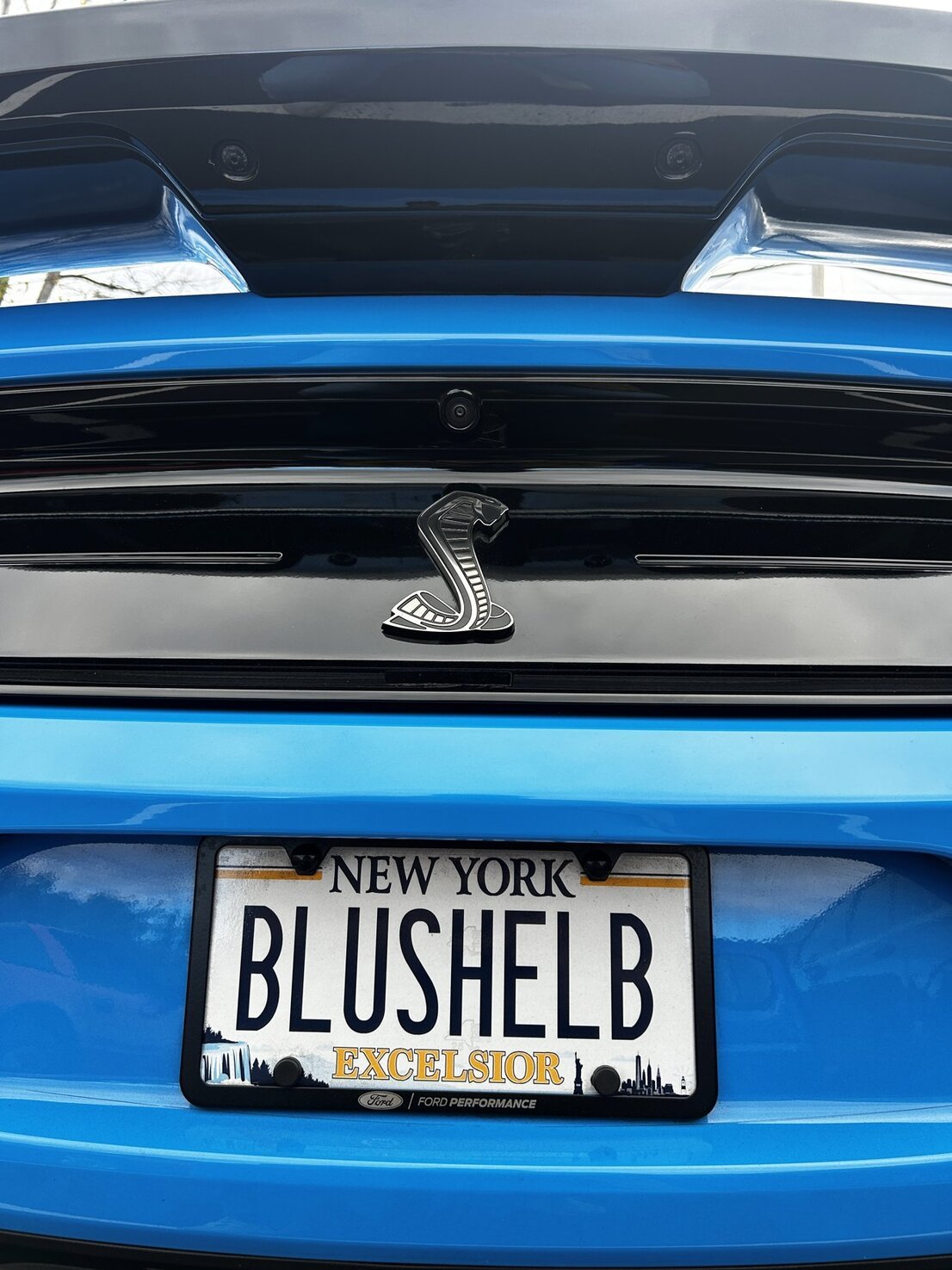
BLUSHELB. The car supplies the missing vowels. Photo by R.J. F.
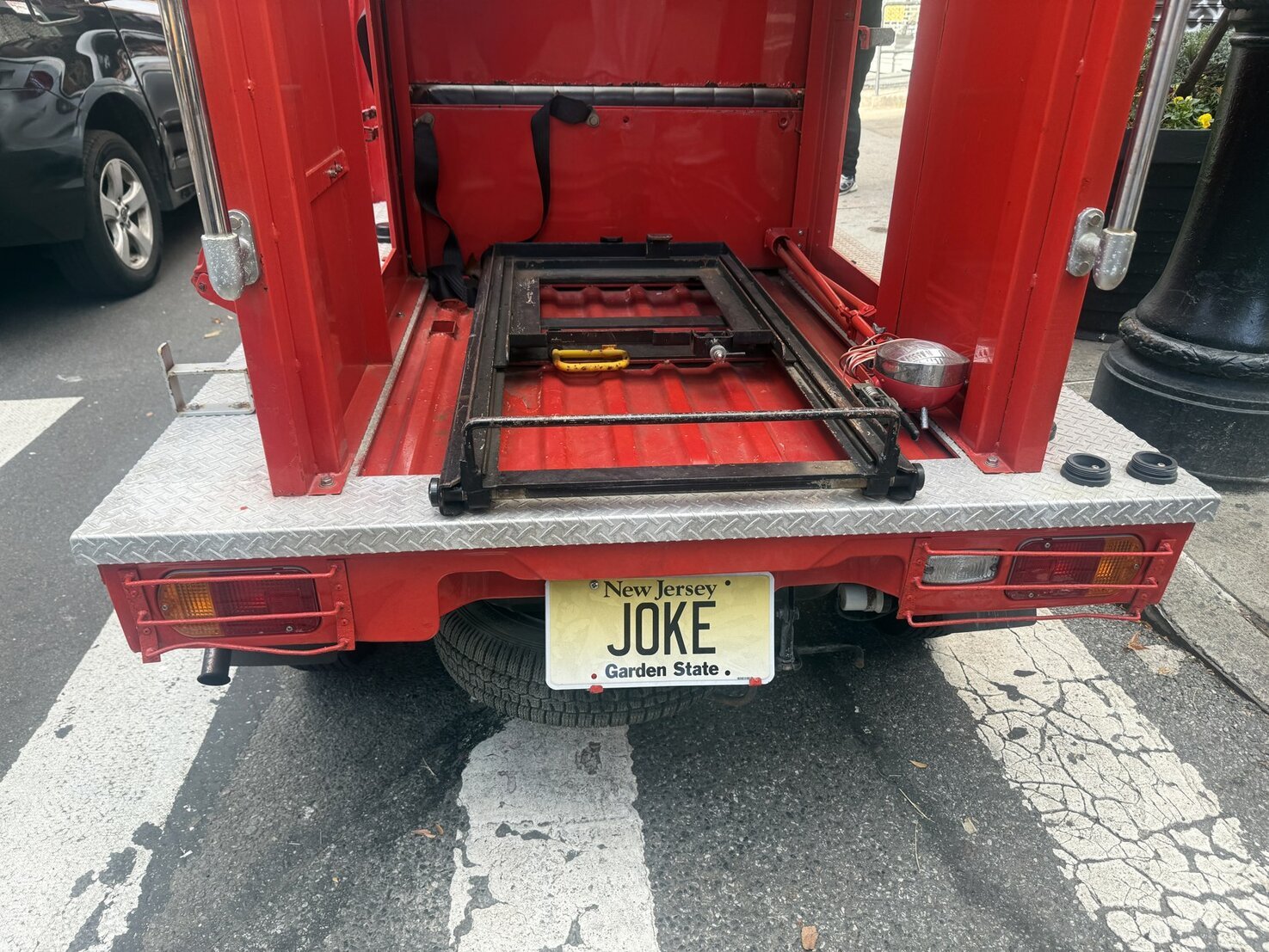
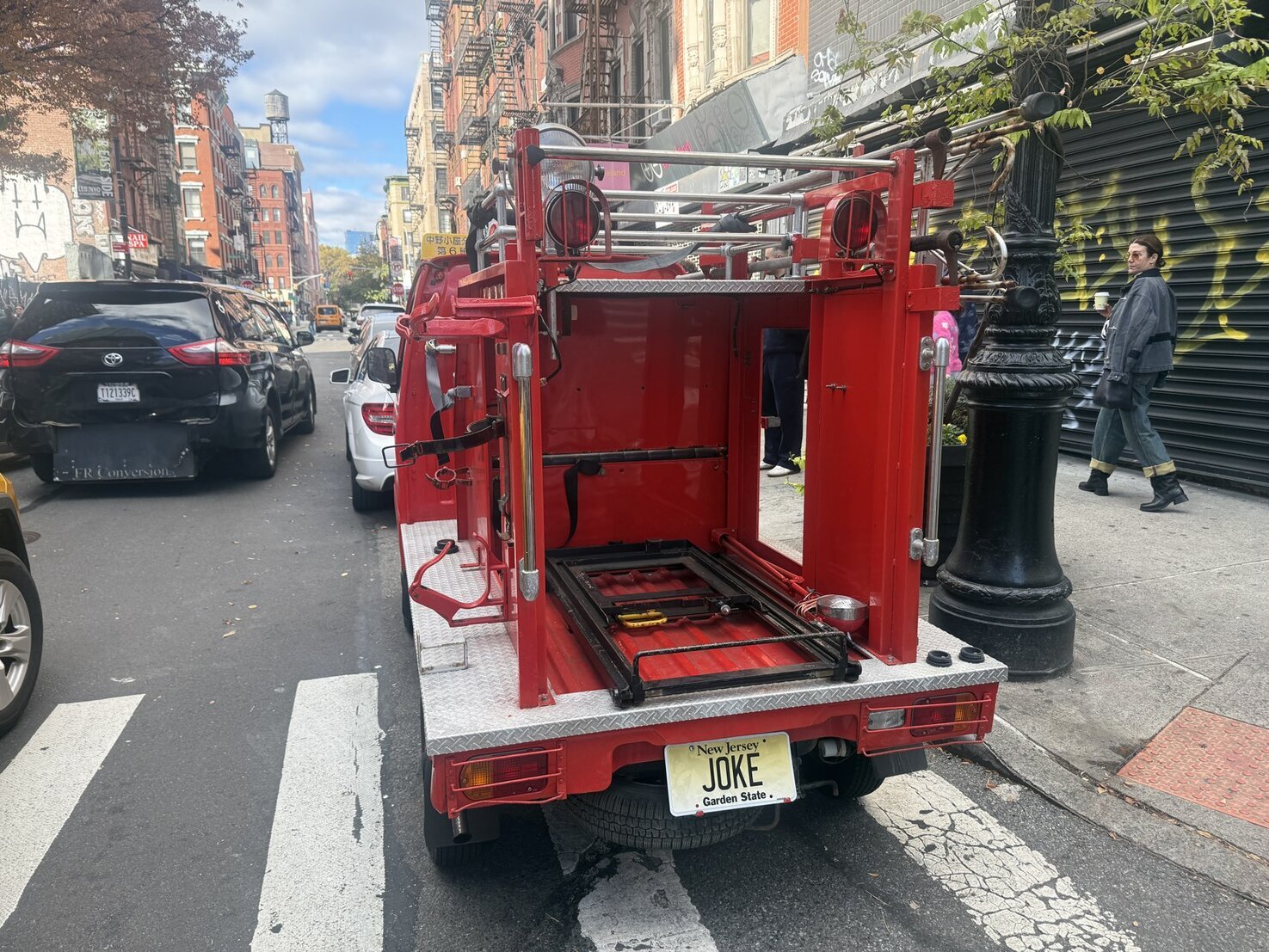
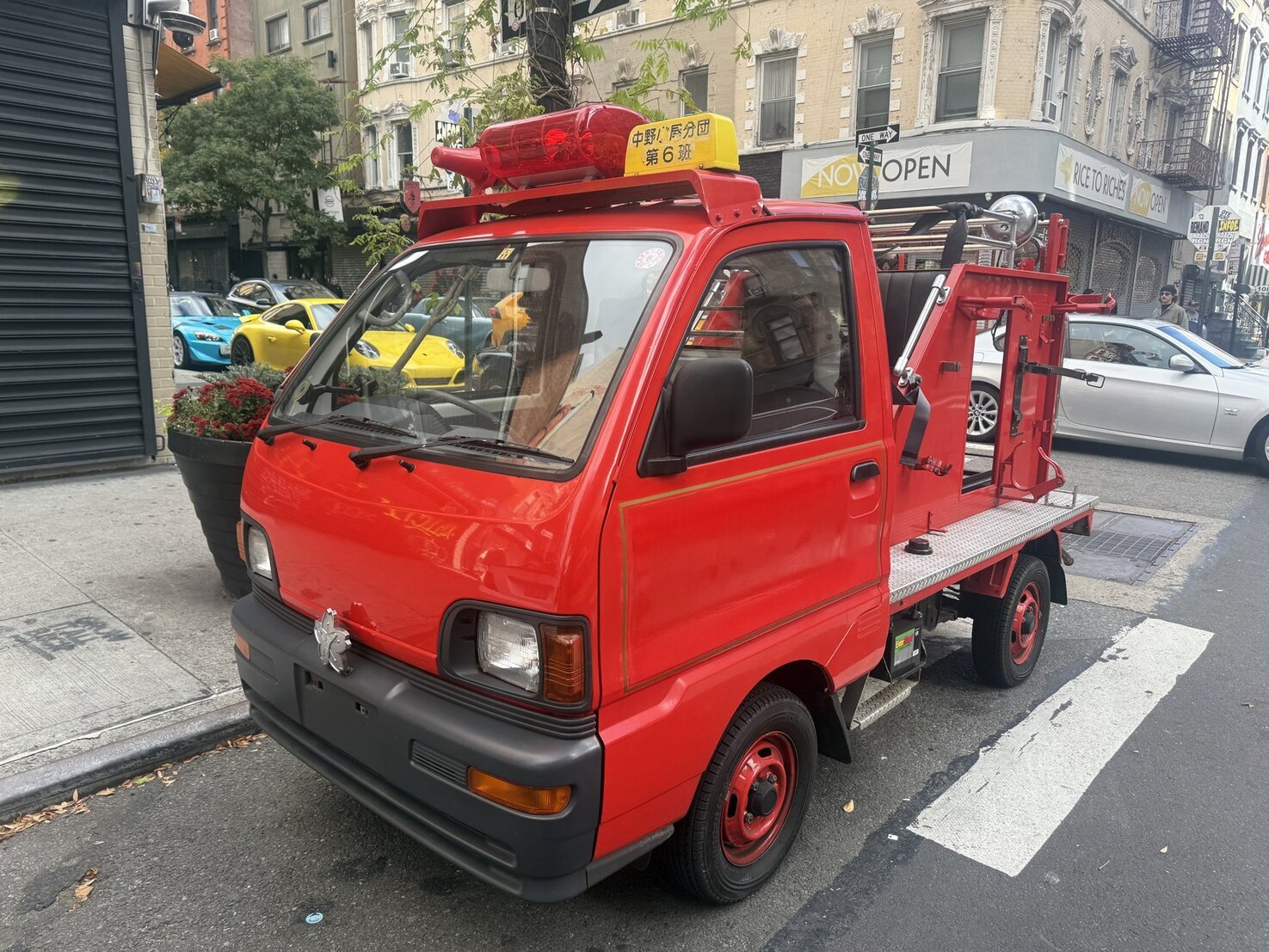
On a blue Shelby in Peekskill, the plate reads BLUSHELB. You can work it out from the car even if you only catch half the letters. On a little red fire truck on Ludlow Street, the plate reads JOKE. That one goes the other way. You can see the whole vehicle and still spend a little time figuring out what exactly the owner wants you to laugh at.
Those are two different kinds of good. One boils the car down to a name. The other gives it a line of dialogue.
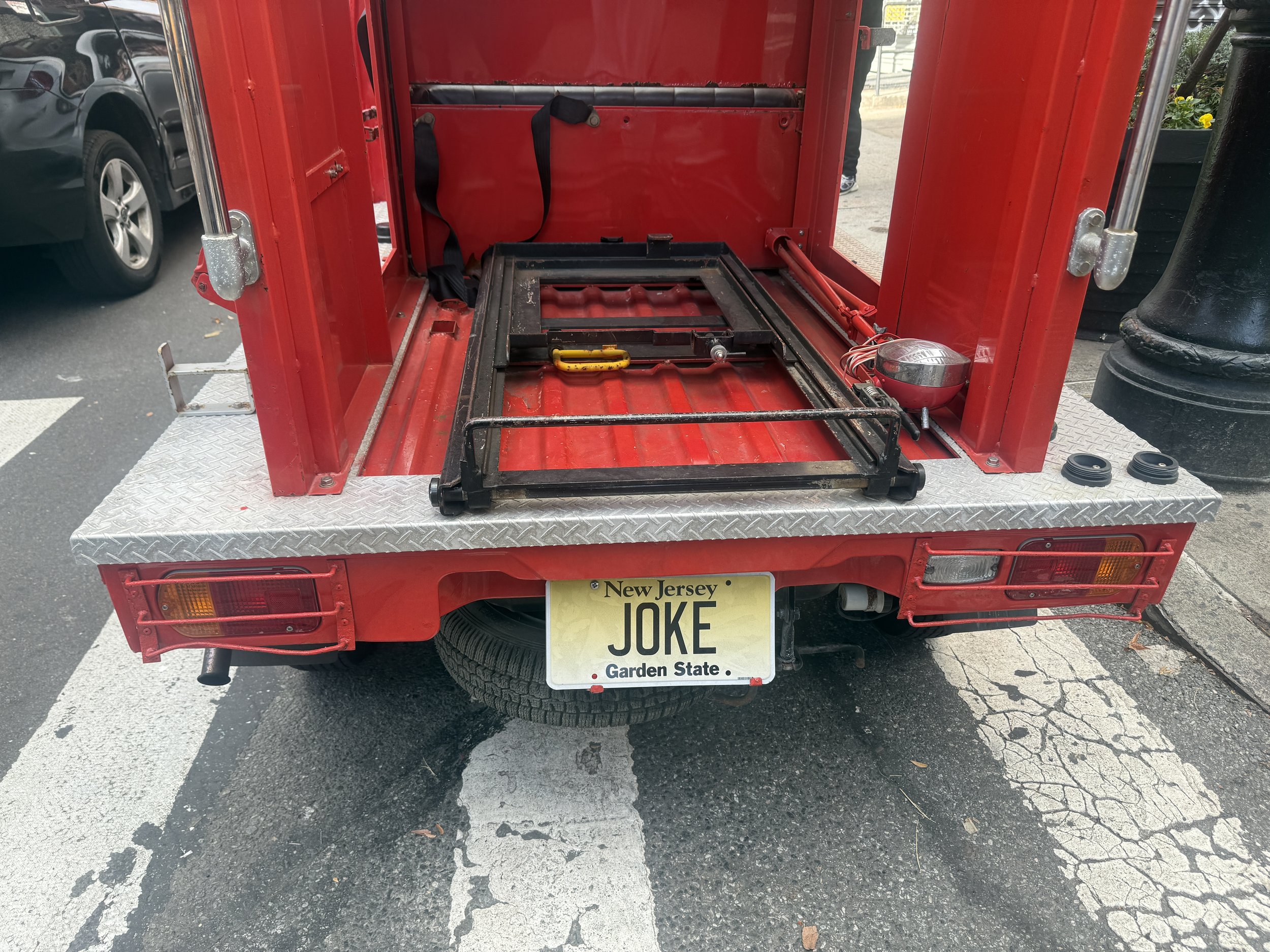
JOKE, with the entire equipment bay in on it. Photo by Michael S.
The car has to be in the frame
A plate takes up a small amount of the photograph, but it can change everything around it. Shoot BLUSHELB tight and you get the joke. Step back and the blue paint does some of the reading for you. The lettering suddenly feels like it belongs to that exact piece of bodywork. With JOKE, the rear equipment bay is part of the setup. You need to see how much hardware somebody managed to fit onto a truck that small.
This is why a gallery of plates works better with a few wider frames. A bumper, a wheel or the corner of a taillight can explain more than a caption. A plate frame can get in on the act, too. Sometimes the plate is ordinary and the line underneath it is the thing the owner actually chose to say.
How much can you get in there?
New York allows two to eight characters on a standard personalized plate, two to six on a motorcycle plate and up to six on a picture plate. The DMV reviews proposed combinations. Eight is enough room for a name or a halfway legible pun. It is also short enough that a person trying to spell something ambitious has to make choices.
That compression is what makes plates worth reading. A missing vowel can make a word work at a glance or take you a full block to decode. The best ones make use of what the car is already telling you. You don’t have to put the color and the car on a blue Shelby’s plate. But when the two fit together that neatly, the extra information feels like part of the design.
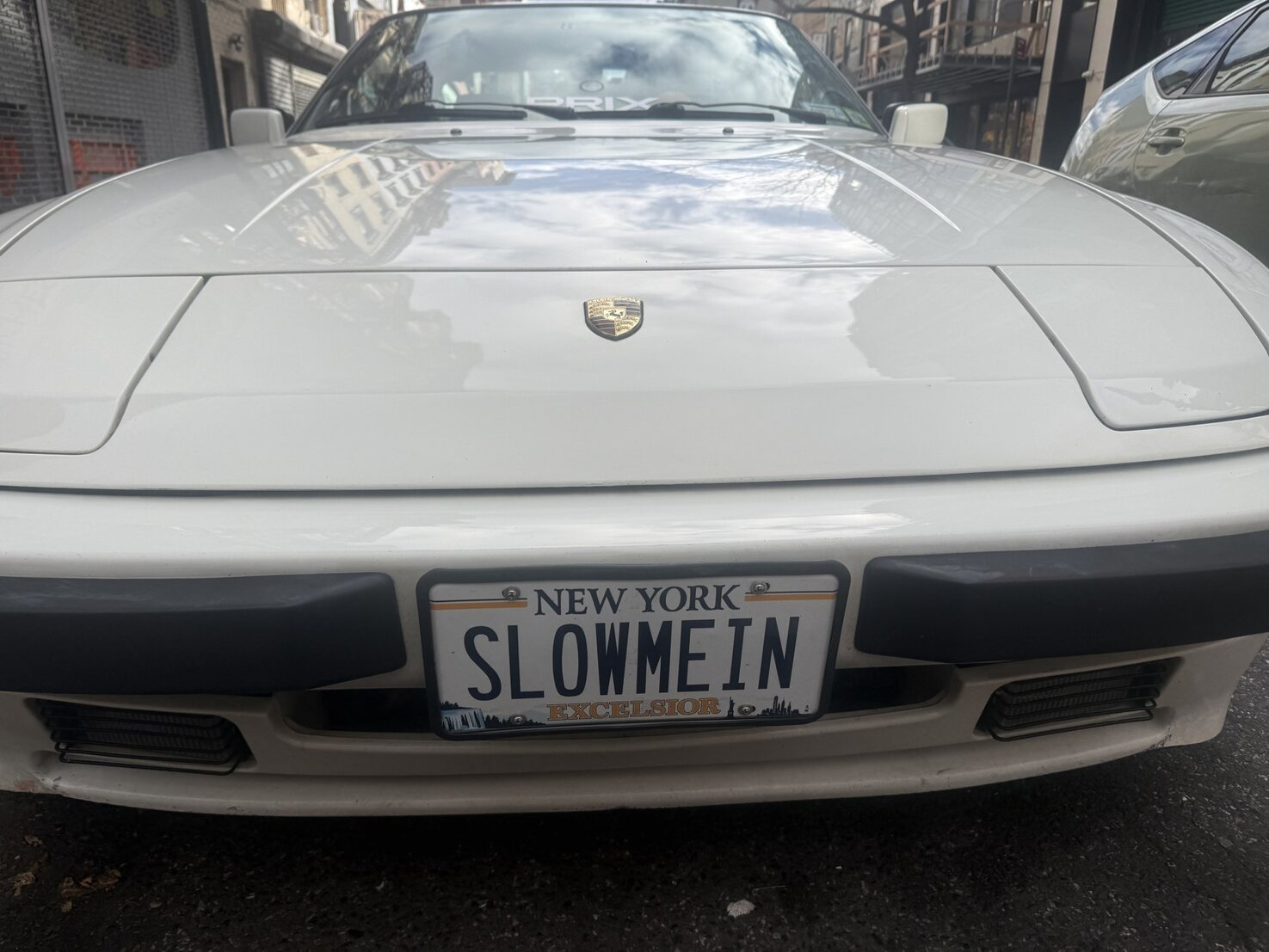
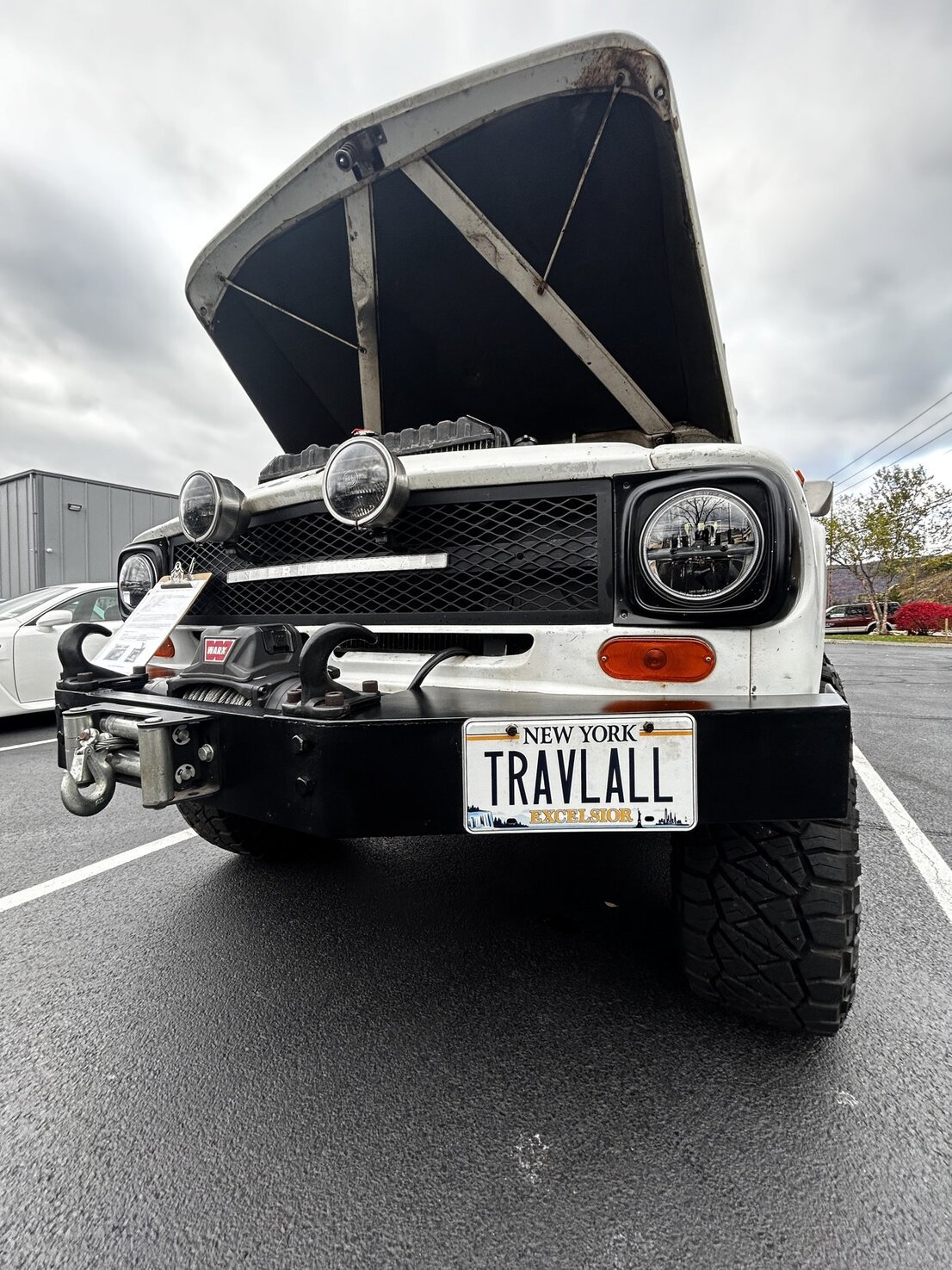
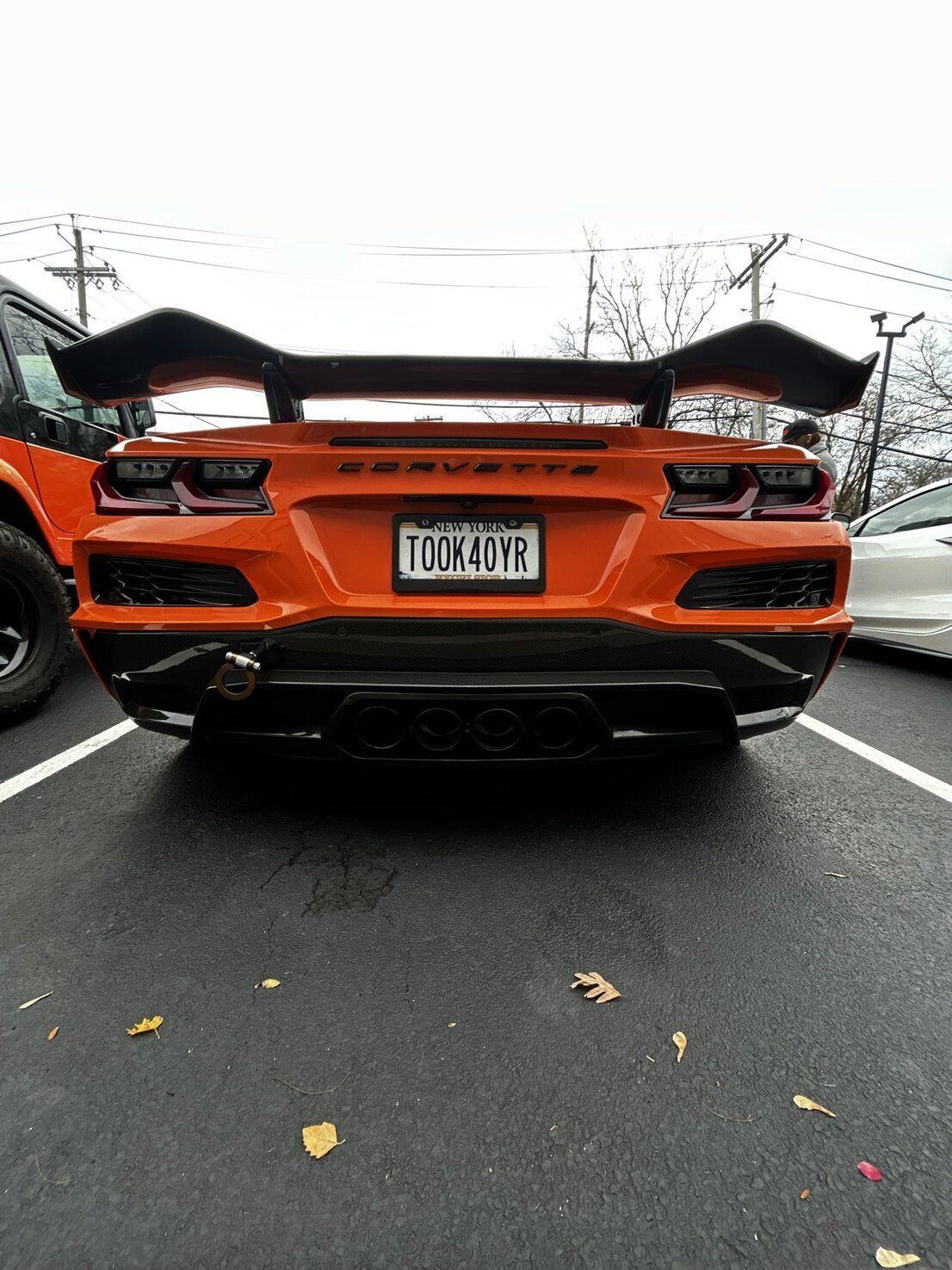
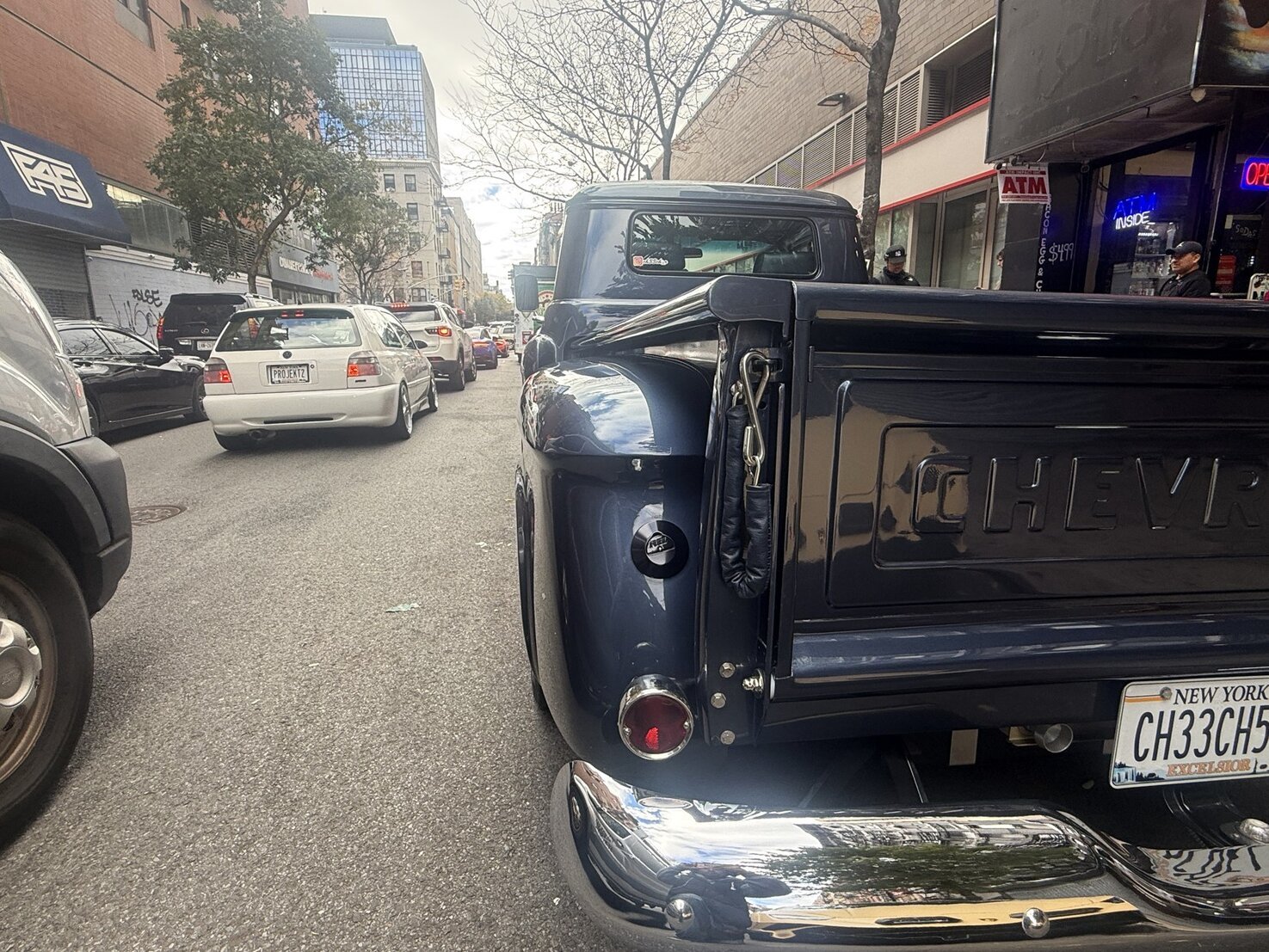
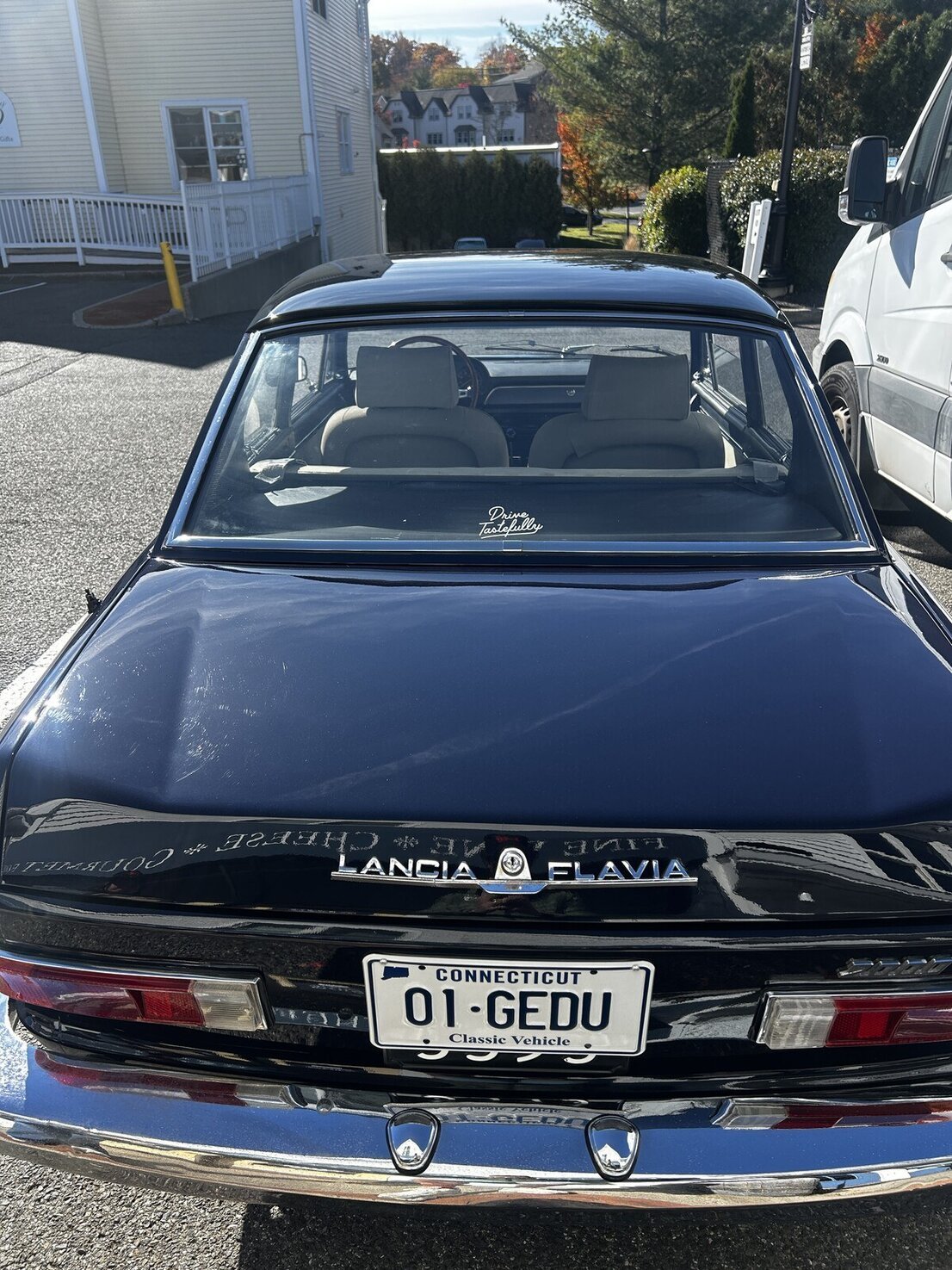
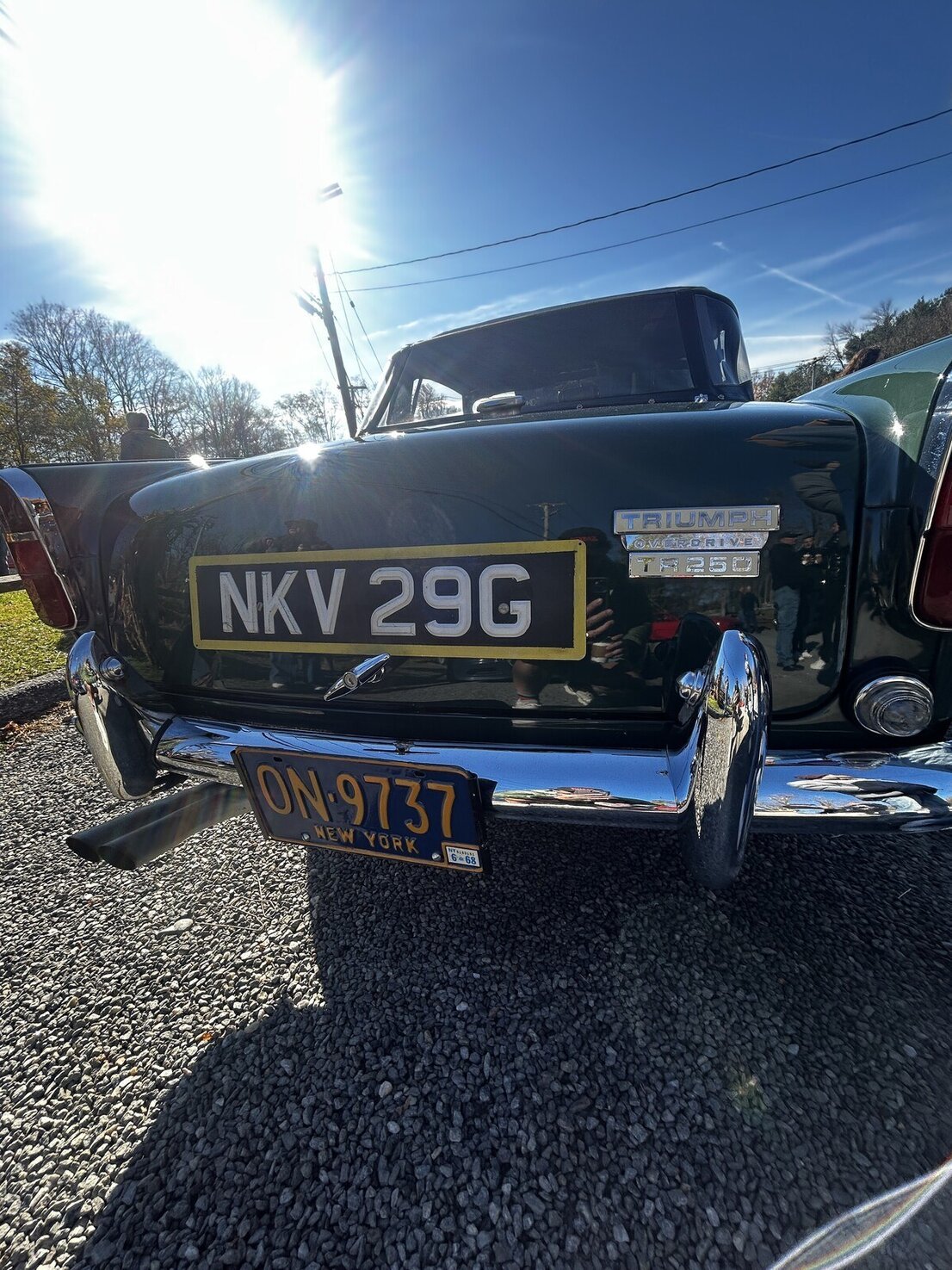
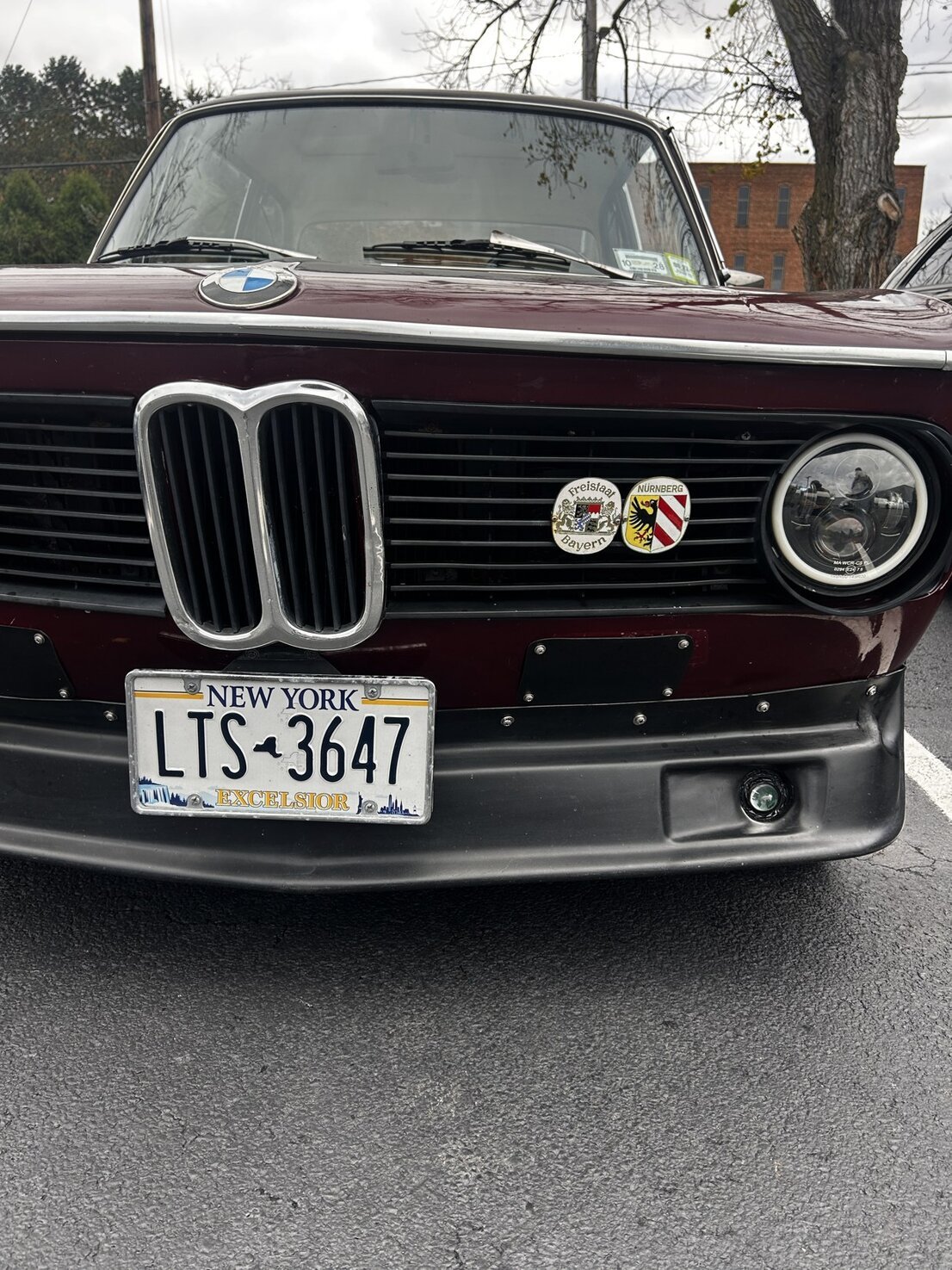
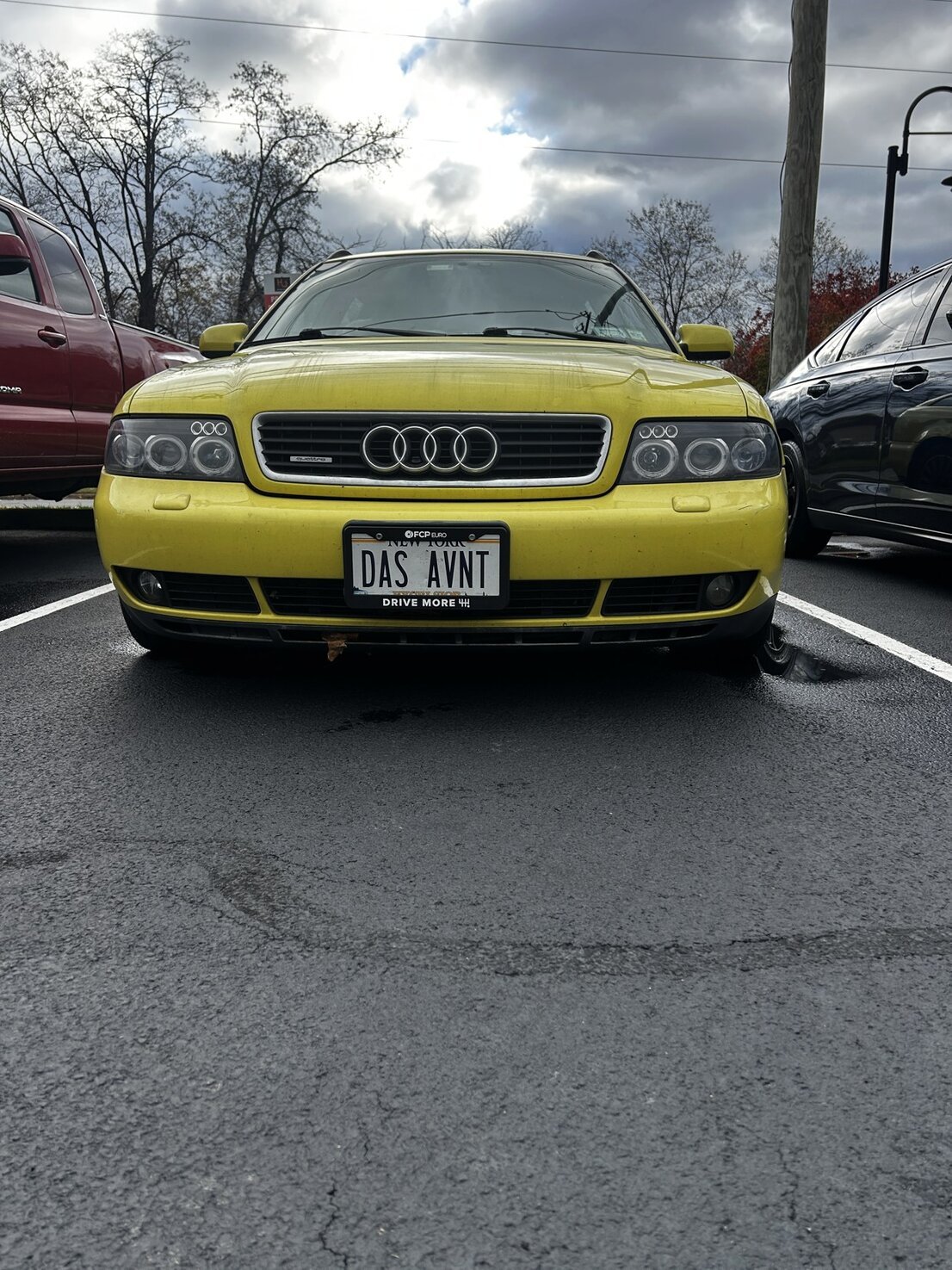
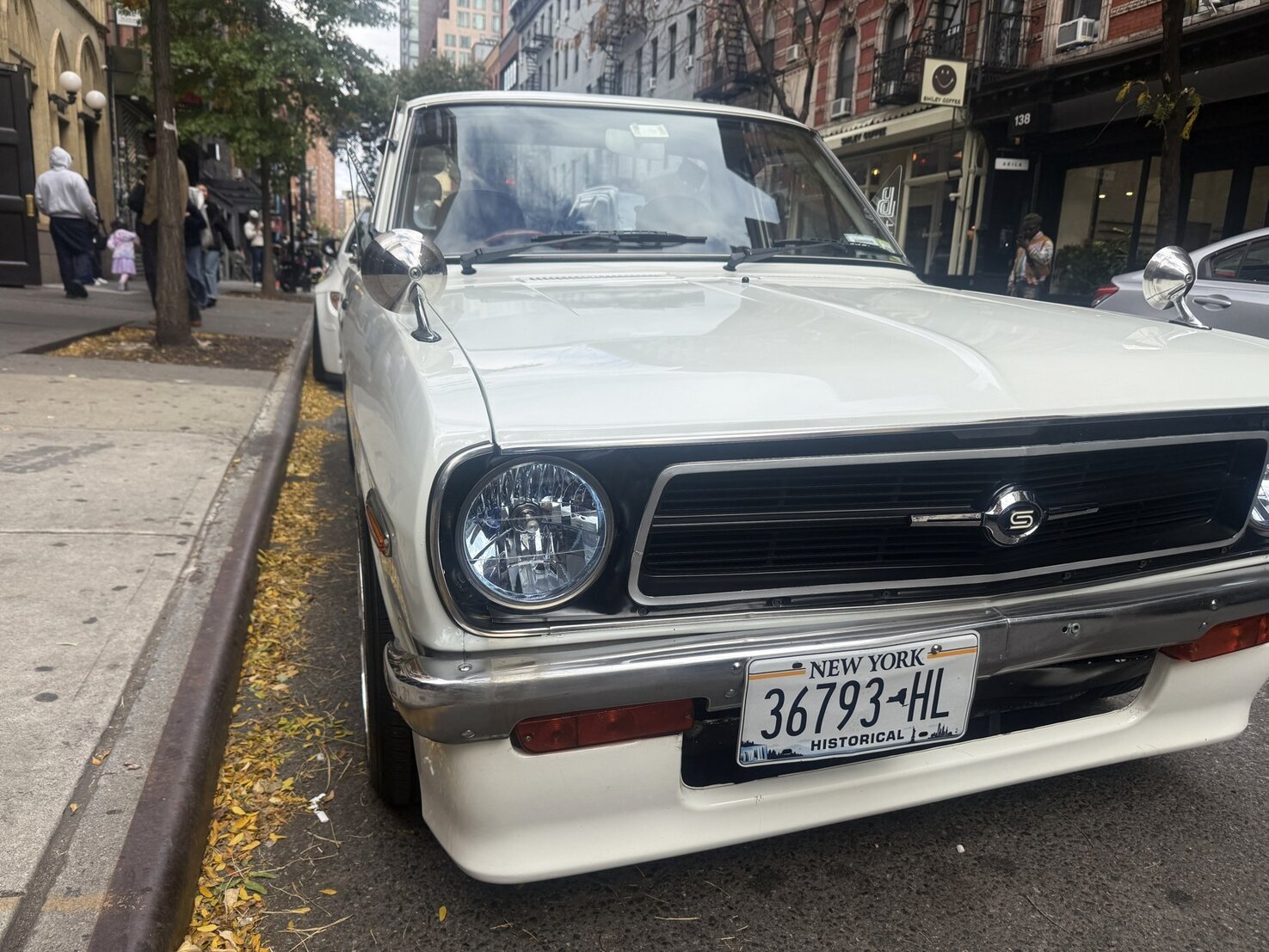
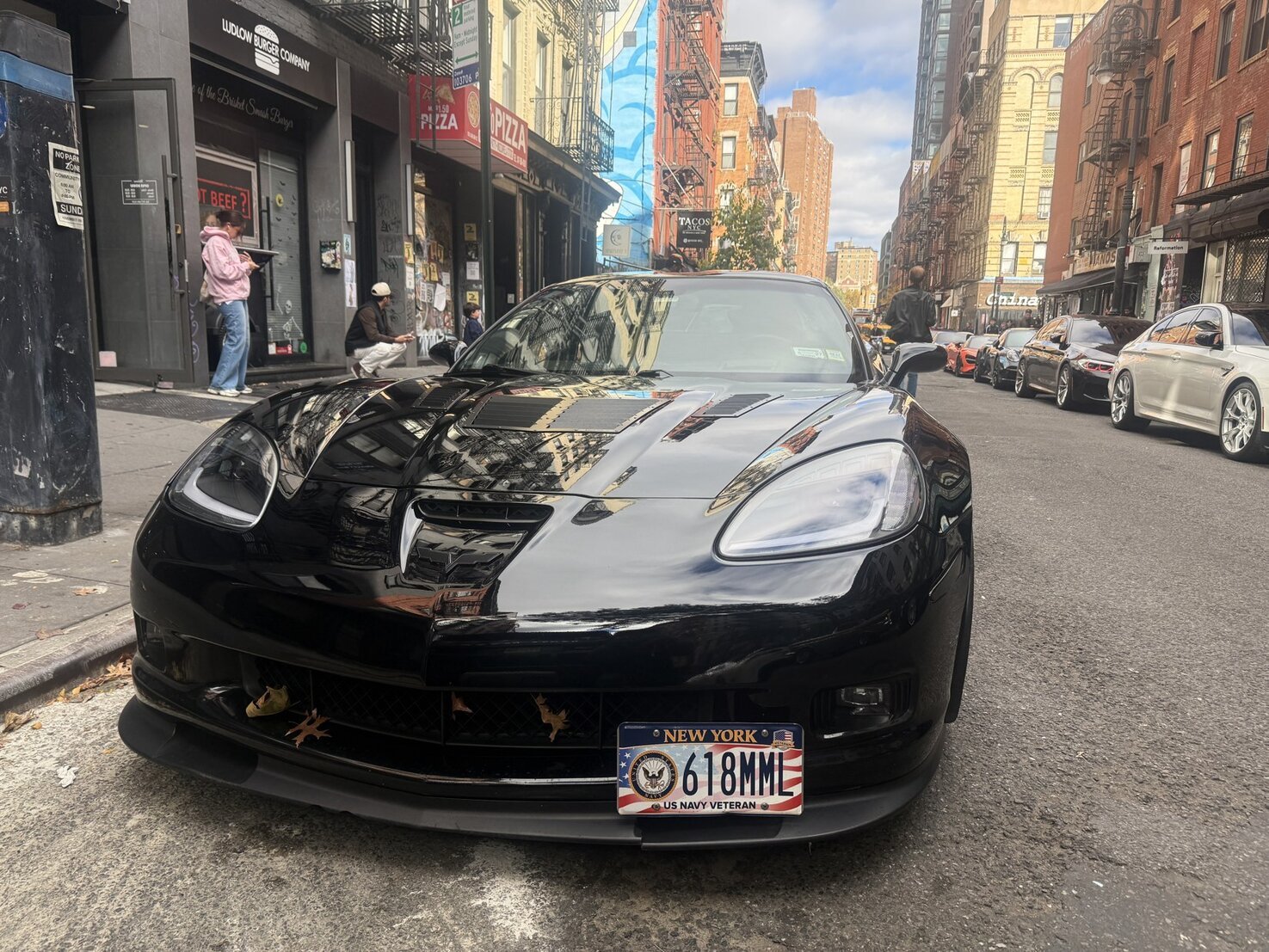
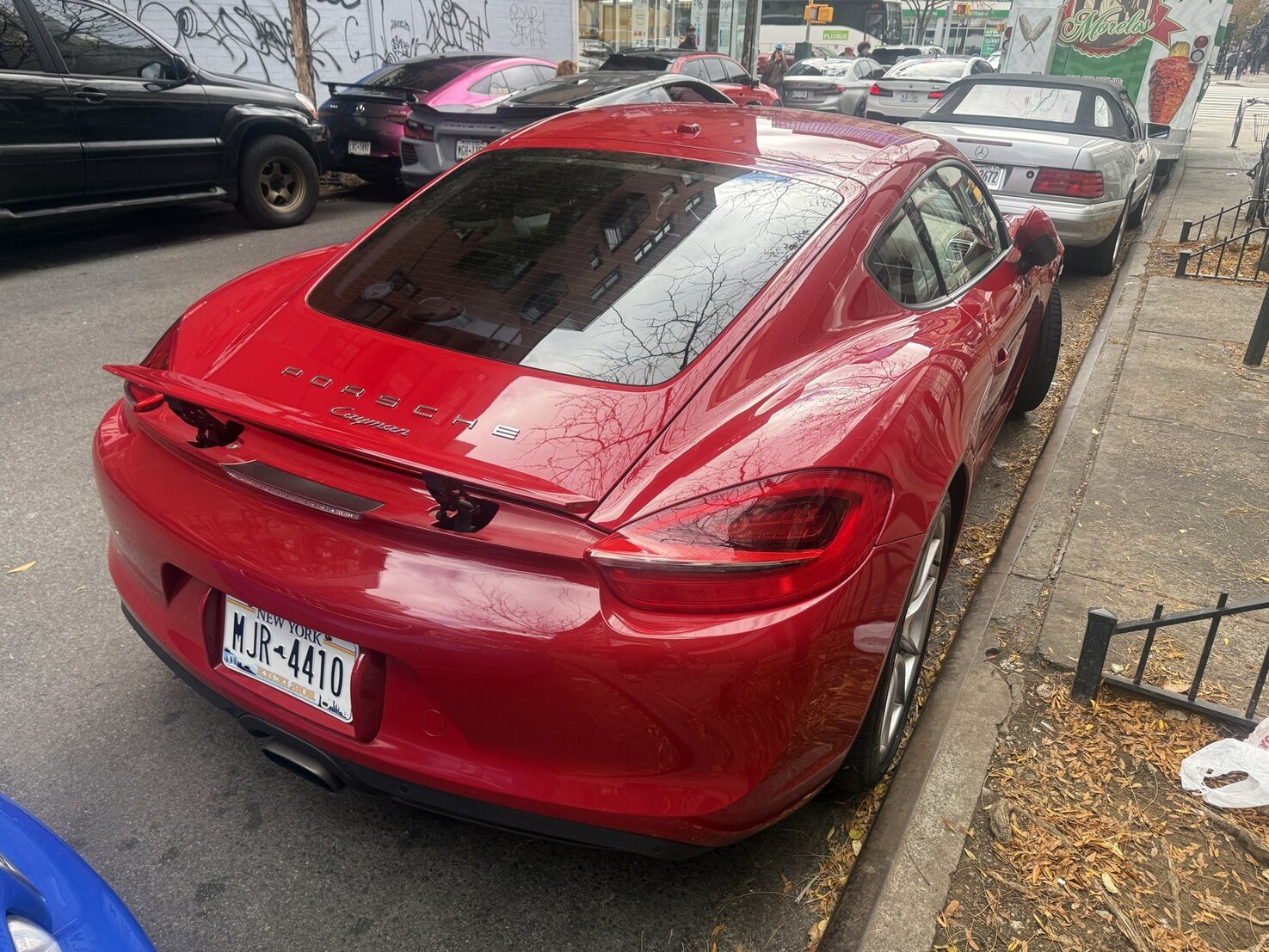
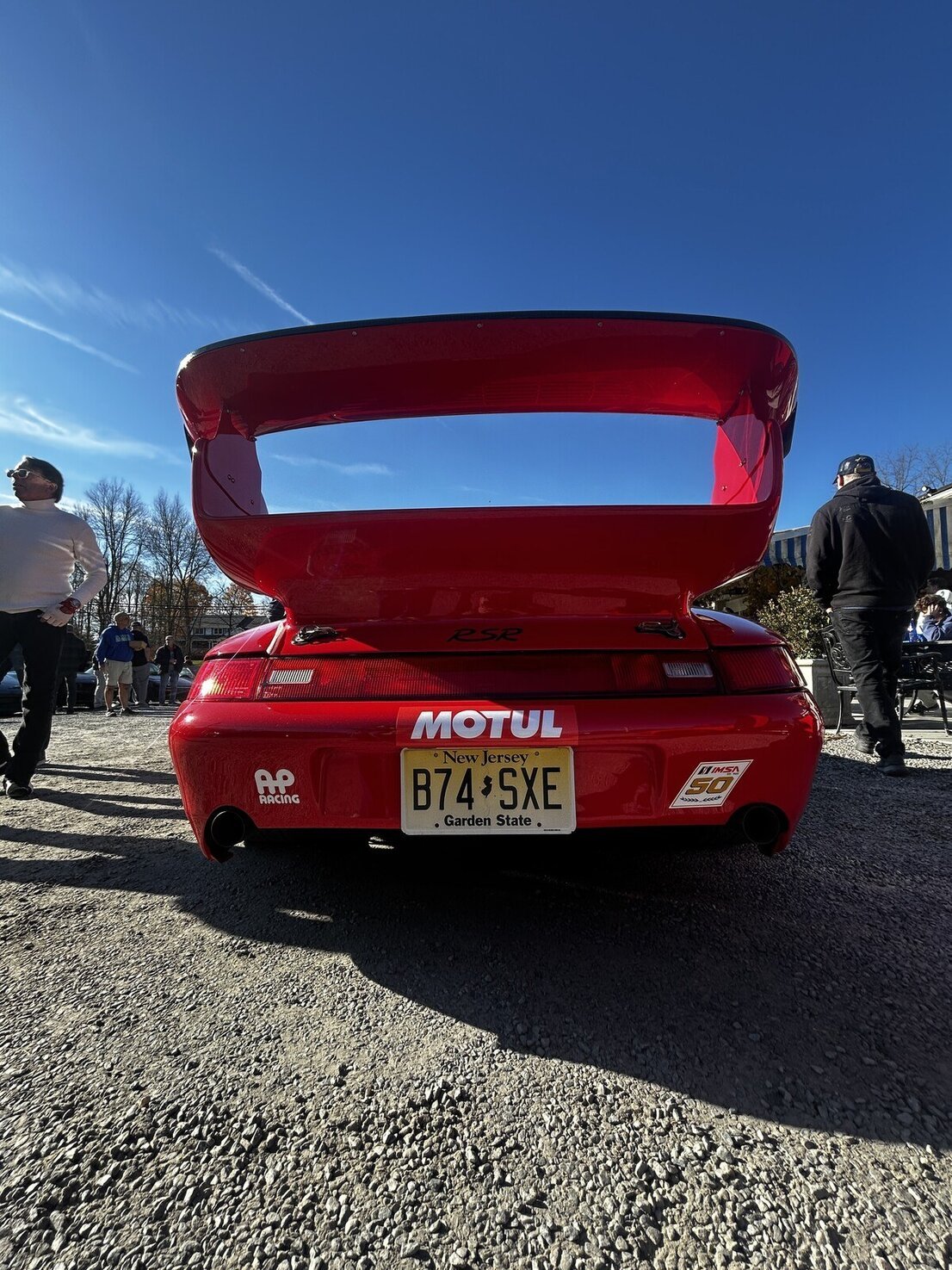
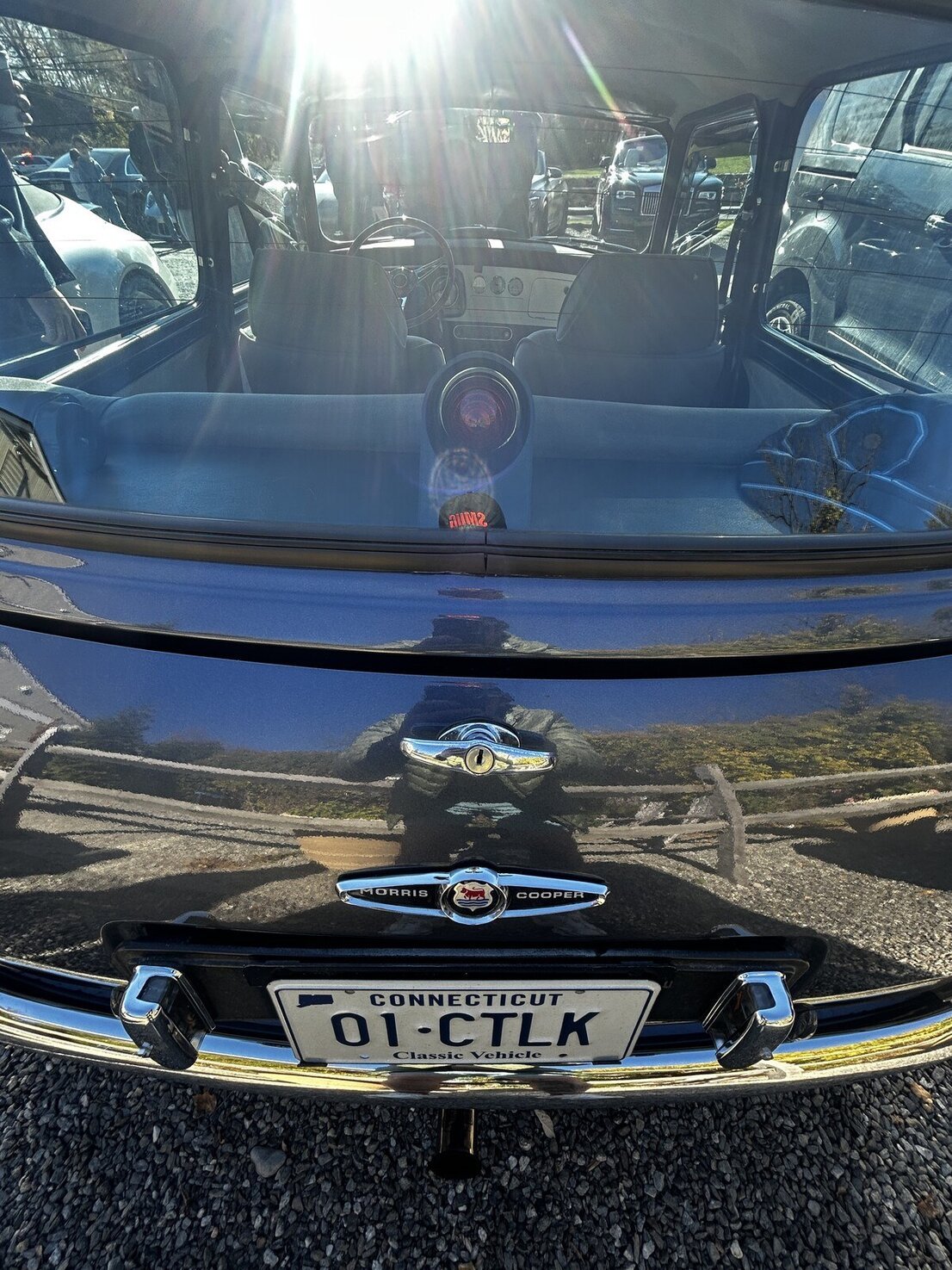
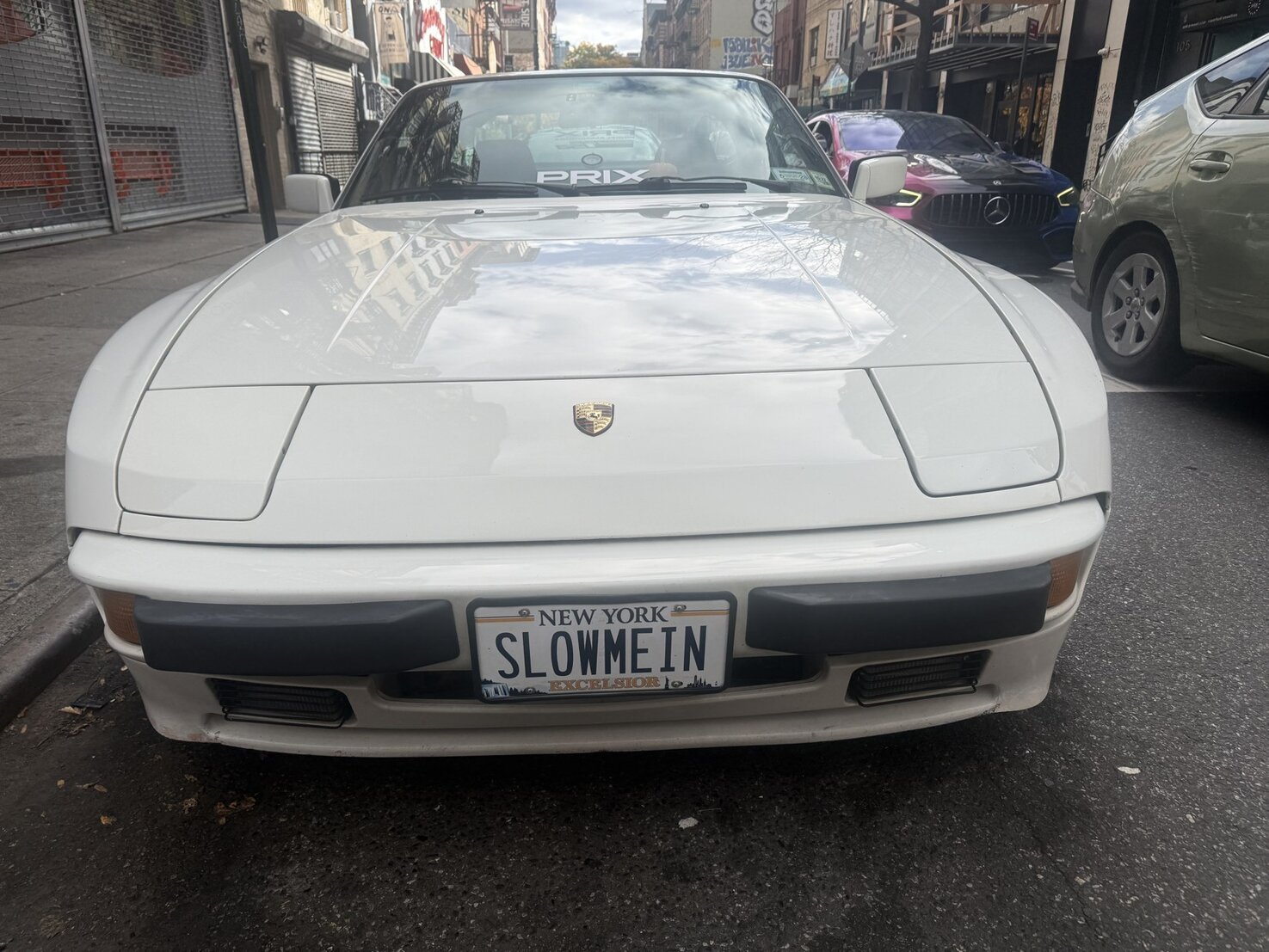
The ones you remember
A plate photograph gets better when you can tell where the car was. The fire truck’s paint and equipment are a lot to look at by themselves. The crosswalk puts them on a specific kind of New York Sunday, right down to how little room there is to get the whole thing in the frame. The Shelby has a quieter backdrop. Blue paint and a strip of bright lettering are enough.
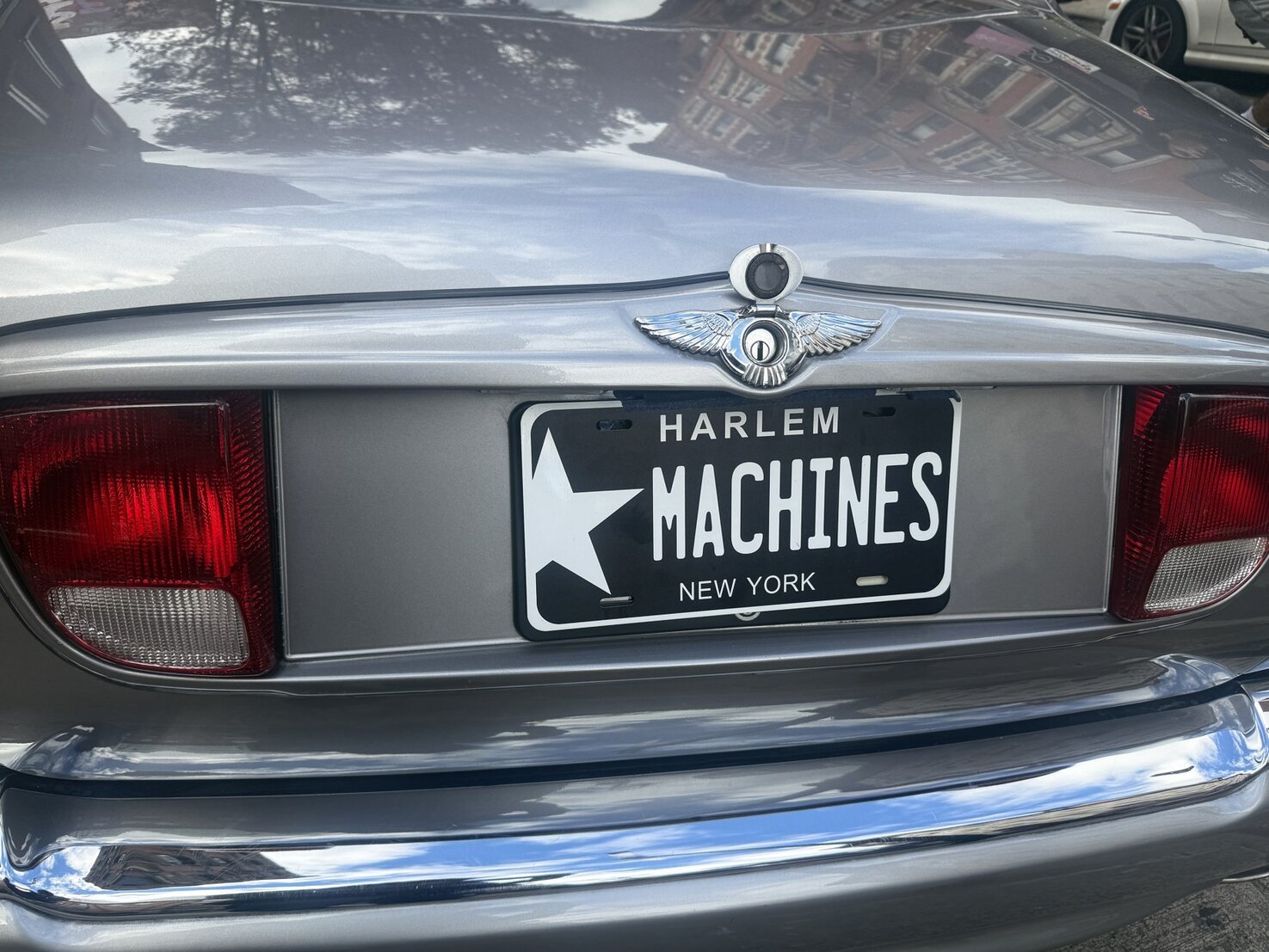
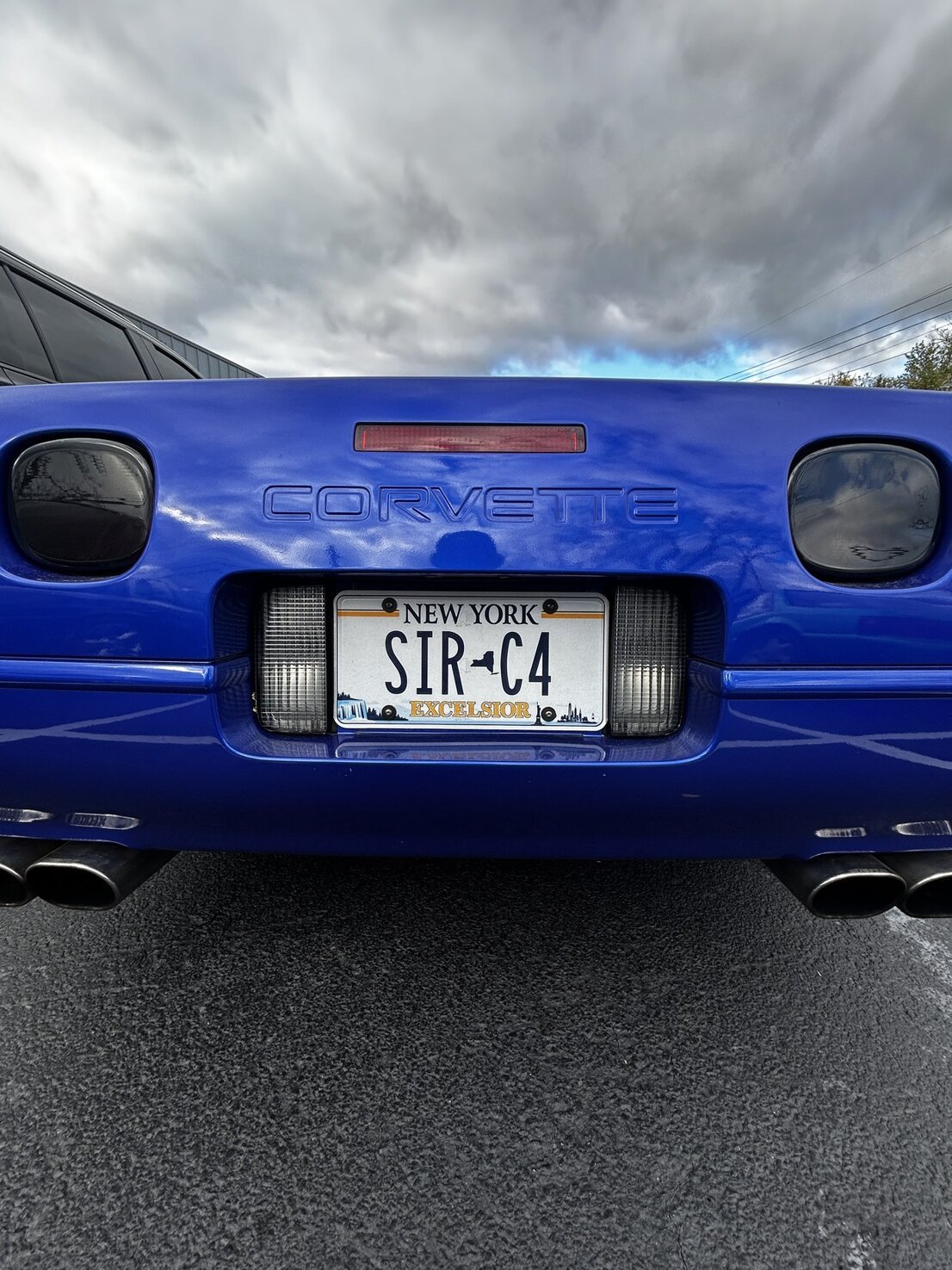
The gallery takes that approach across the archive. There are personalized plates where the words do the work and a few other frames where the surround, old hardware or position on the car is the reason to stop. Look at those two ways. Read what’s on the plate, then look at the part of the car the owner chose to put around it.
Source