

From a whiskey-hauling Dodge to a Cadillac assembled out of a lunchbox, ten songs that know what’s in the trunk.
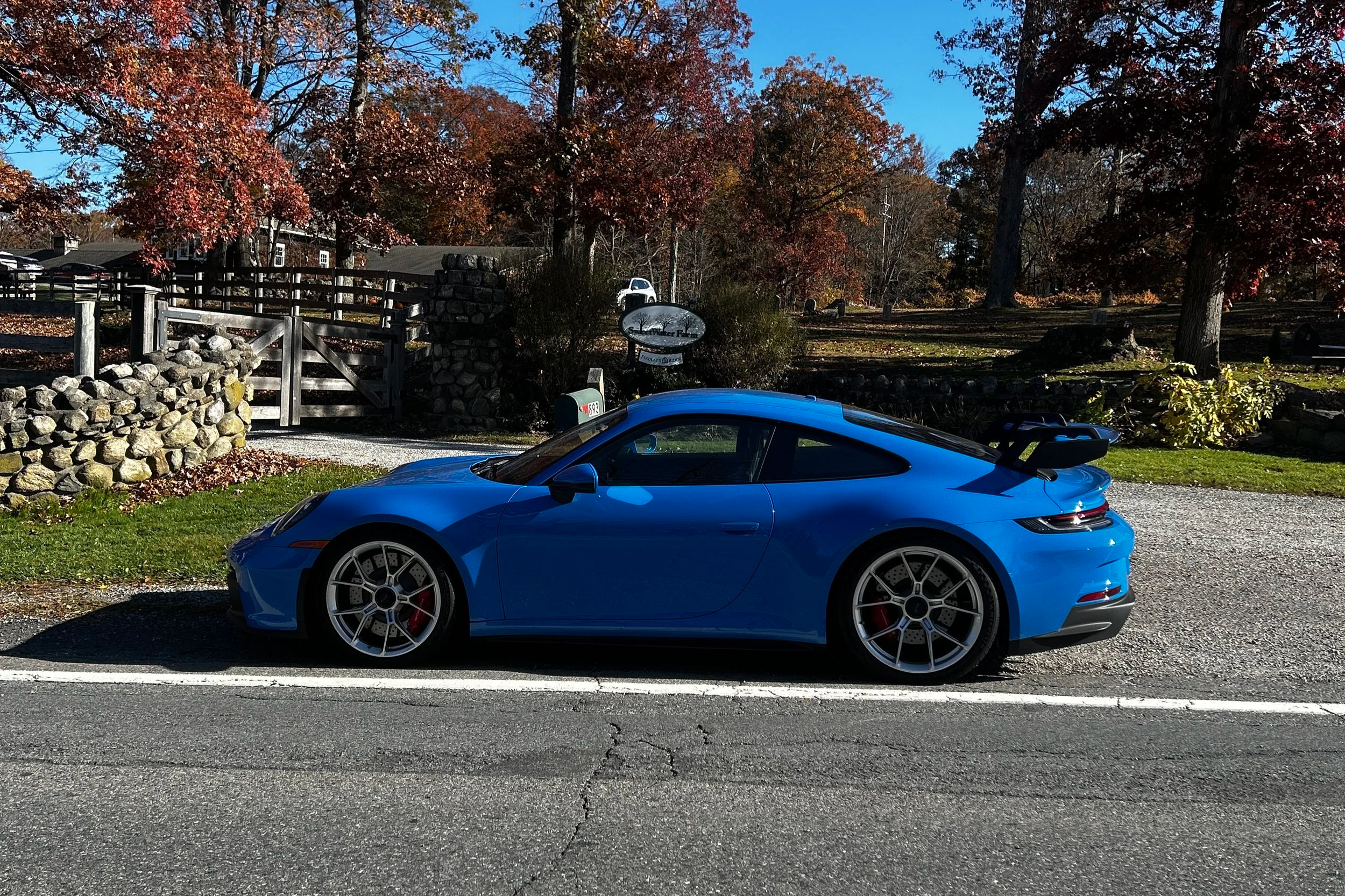
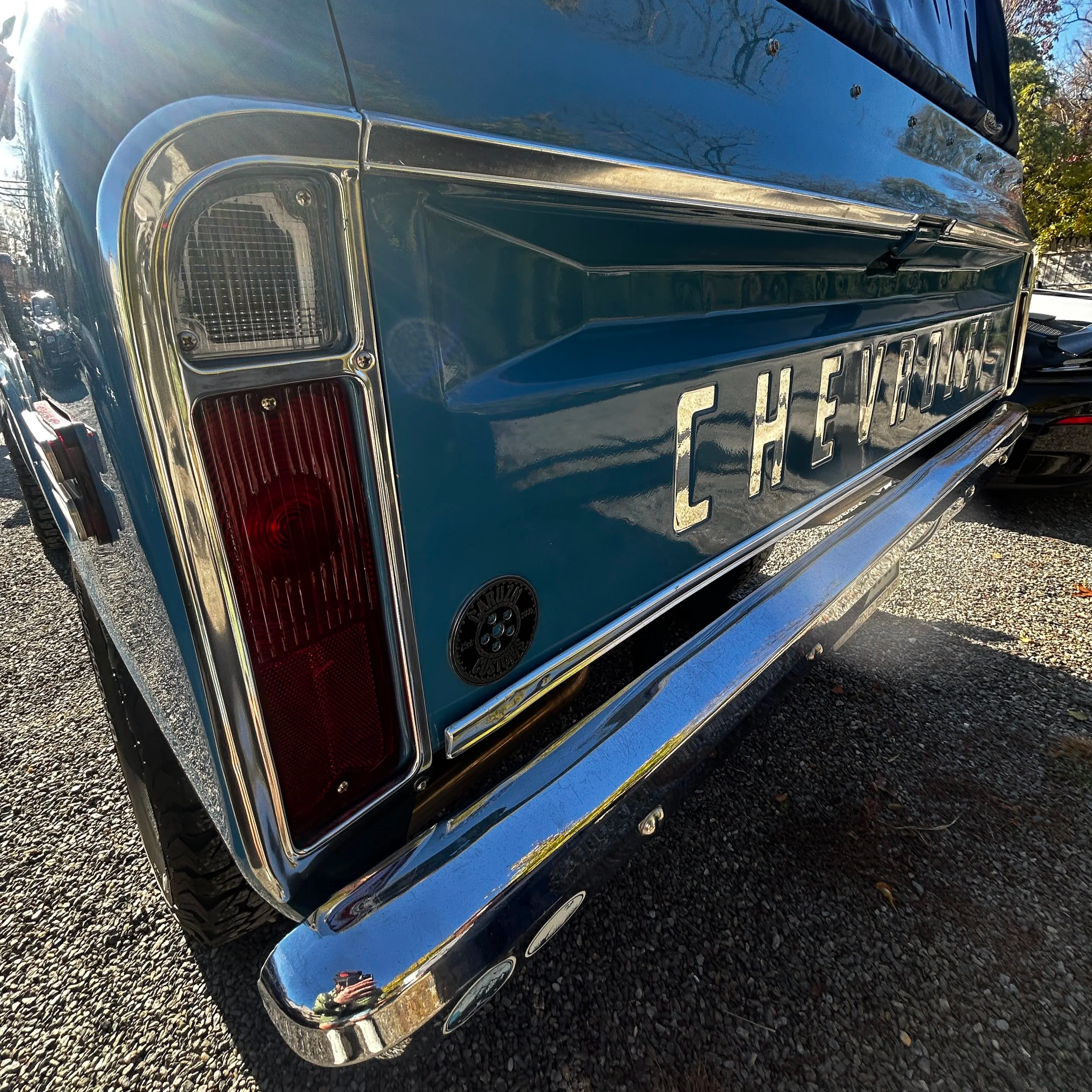
You can tell when a songwriter has a car in mind. They give you the motor, the road and the reason somebody’s driving. In “Copperhead Road,” the Dodge is doing a job. In “Maybellene,” two different cars have different things going for them as the chase unfolds. In “Racing in the Street,” a Chevy tells you what a man does with the part of his life he can still control. Put those songs together and you can hear how many different kinds of trouble will fit in one car.
1. “Copperhead Road” — Steve Earle
The father runs whiskey in a big-block Dodge. The son comes back from Vietnam and changes the cargo. Earle gives us three generations of the Pettimore family without ever needing to draw a family tree. You know where the father got the car, you know what he did to keep it running, and you know what’s waiting when the son takes up the family business in his own way.
Listen to how long the song holds its energy back. The first part has room for the details. By the time the drums and guitars are all in, the road feels considerably shorter than it did at the beginning. You don’t need a chase scene. The record supplies the acceleration.
2. “The Ballad of Thunder Road” — Robert Mitchum
Mitchum played moonshine runner Lucas Doolin in the 1958 film Thunder Road. The ballad runs through a version of the same world in a few minutes: a driver, a load, the road and the people trying to stop him. Mitchum sings it with the dry certainty of somebody who knows how this trip ends and still intends to tell you where every turn was.
The film gives the driver a family, a younger brother who works on the car, and a business that can’t simply close up because the road gets dangerous. Hear the record after watching the movie and the economy of it hits harder. Most of the people disappear. What’s left is the run.
3. “East Bound and Down” — Jerry Reed
There are two vehicles in the setup for Smokey and the Bandit. Snowman’s rig is carrying the Coors. Bandit’s Trans Am is supposed to pull attention away from it. One has the freight, the other has the visibility, and the movie works because the drivers have to keep the two jobs in sync.
Reed’s song puts the deadline right at the center. You feel the distance left to go even if you’ve never seen the film. It’s also the most fun this playlist gets to have with a job that, on paper, mostly involves waiting for a truck to arrive. Pair it with “Convoy” later in the list and listen for how differently the two songs use the radio culture around the job.
4. “Rapid Roy (That Stock Car Boy)” — Jim Croce
Roy Hall was a Georgia stock-car driver and a moonshine runner. He and his cousin Lloyd Seay got backing from Raymond Parks, who later owned NASCAR championship cars. That’s a lot of American racing history to smuggle into a Croce song that moves as quickly as this one does.
The real draw is the distance between a local reputation and a national sport. A person in town knows how fast Roy can drive. Then somebody else knows, and somebody puts money into a car. The song keeps the first part of that story alive. You can still hear a person telling you about the fastest guy he ever saw.
5. “One Piece at a Time” — Johnny Cash
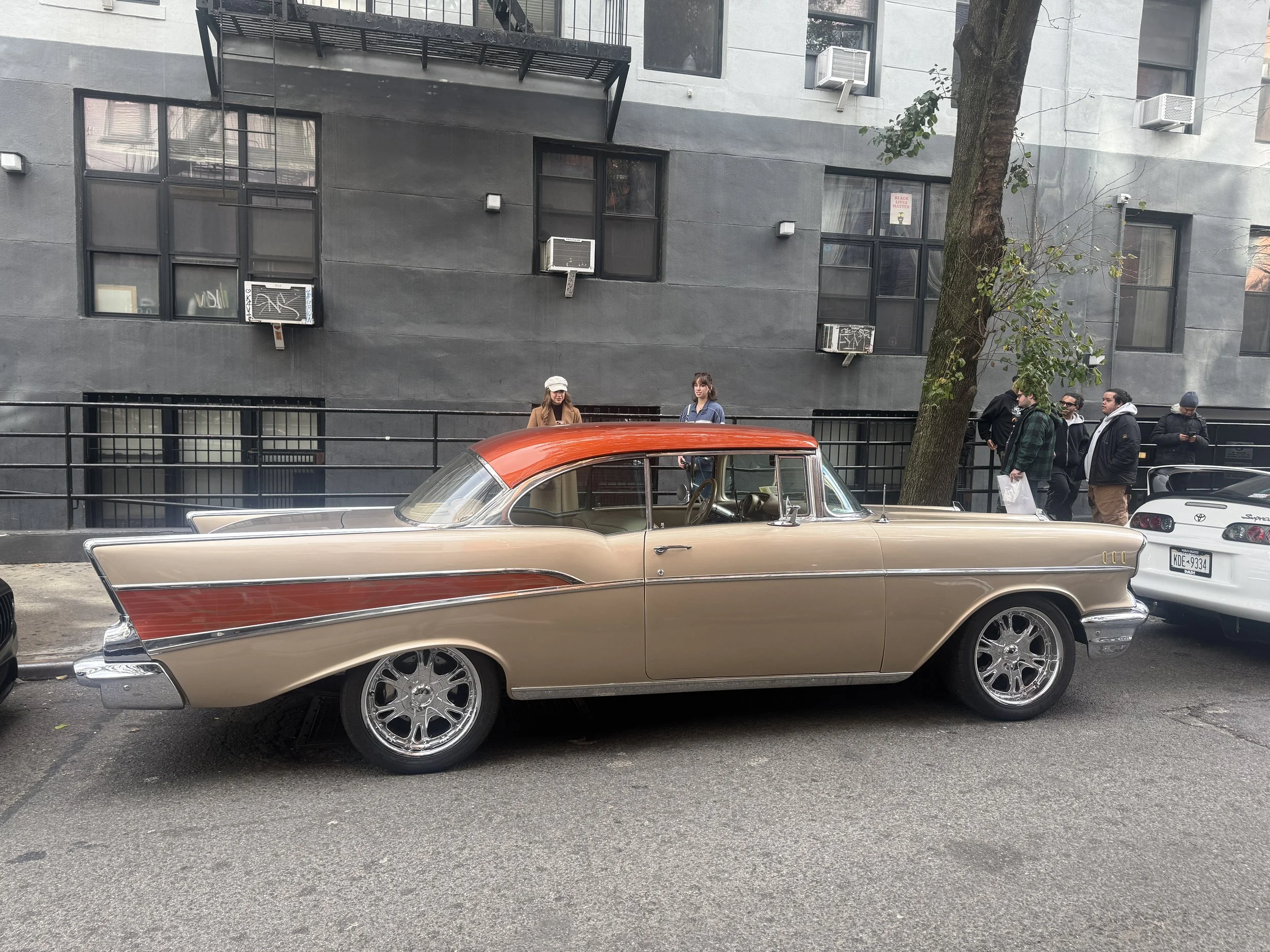
The cargo is a Cadillac, technically. A worker on the assembly line brings it home in pieces, spread across years of production. Once the parts are in one place, the model years have to negotiate with each other.
The appeal is how recognizable the thinking is. A small thing fits in the lunchbox, so take the small thing. Worry about how the whole thing goes together when you have enough of it. Cash keeps the account so matter-of-fact that the finished car is almost more believable than the plan.
6. “Smuggler’s Blues” — Glenn Frey
The highway takes a brief detour into the air here. The song inspired a Miami Vice episode in which Frey played a pilot. The reason it belongs is how it makes the job sound: you agree to one delivery and discover that somebody else has already set the terms.
Coming after the Cash track, it’s a particularly good change of temperature. The laughter drops out. Frey makes the arrangement sound like something that has been working this way for a long time, whether the latest person involved understands it or not.
7. “Maybellene” — Chuck Berry
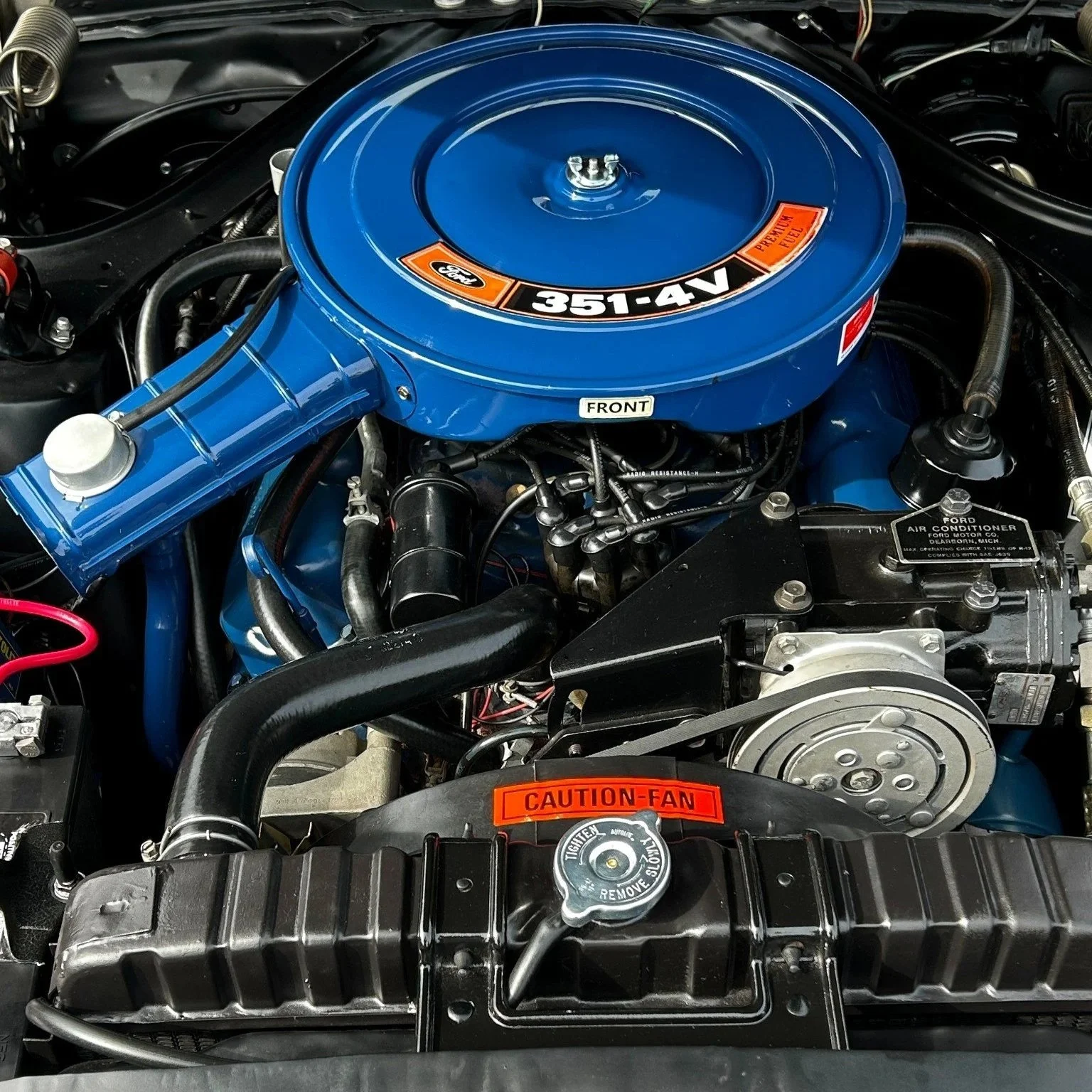
A V8 Ford chases a Cadillac, and the race keeps changing as the cars and the weather do. Berry has the sense to give each car a name and a temperament. You can picture the Ford getting hot and understand why that changes the story.
A lot of car songs use a machine as shorthand for attitude. This one actually watches two cars behave. That’s why a person who has never been in either model can still follow the action.
8. “Hot Rod Lincoln” — Commander Cody and His Lost Planet Airmen
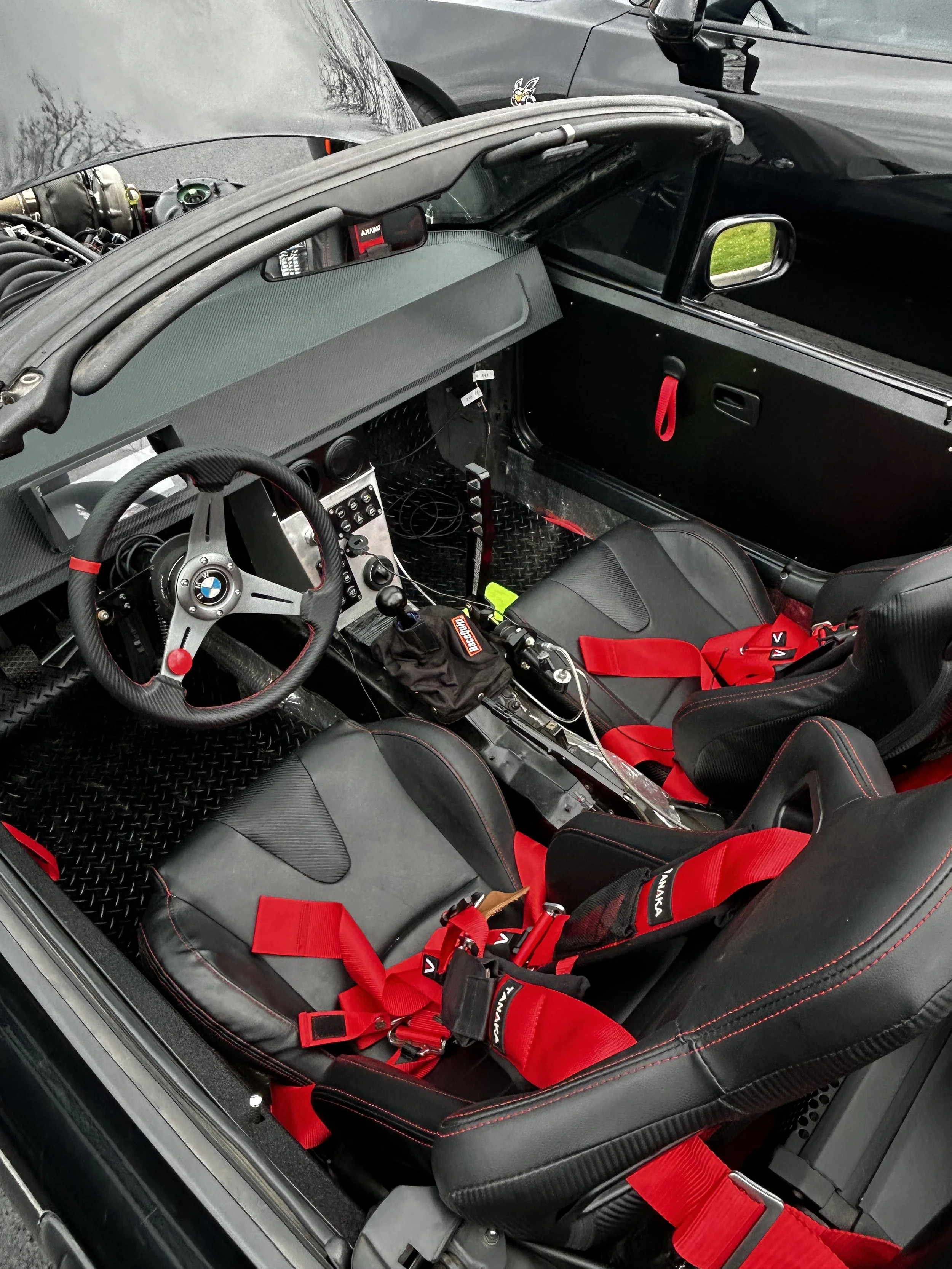
Play the Commander Cody version for the way the story comes out in one long rush. Charlie Ryan recorded the song earlier. In the version here, the speaker sounds like he can talk his way through the consequences if he just keeps talking a little longer.
It’s a hill-climb story with a running inventory of what the driver is doing and what the car is doing back. The mismatch between the pride in the machine and the way the night ends is where the humor lives.
9. “Convoy” — C.W. McCall
McCall gives you the Rubber Duck and an entire road scene told through CB chatter. The names are half the pleasure. The other half is how quickly a loose collection of voices starts to sound like it has a common plan.
The song can make an ordinary stretch of highway sound crowded even with the lights off. It also gives away just enough of the language that a first-time listener starts to feel like they’re in on it. This week’s Channel 19 column picks up that thread.
10. “Racing in the Street” — Bruce Springsteen
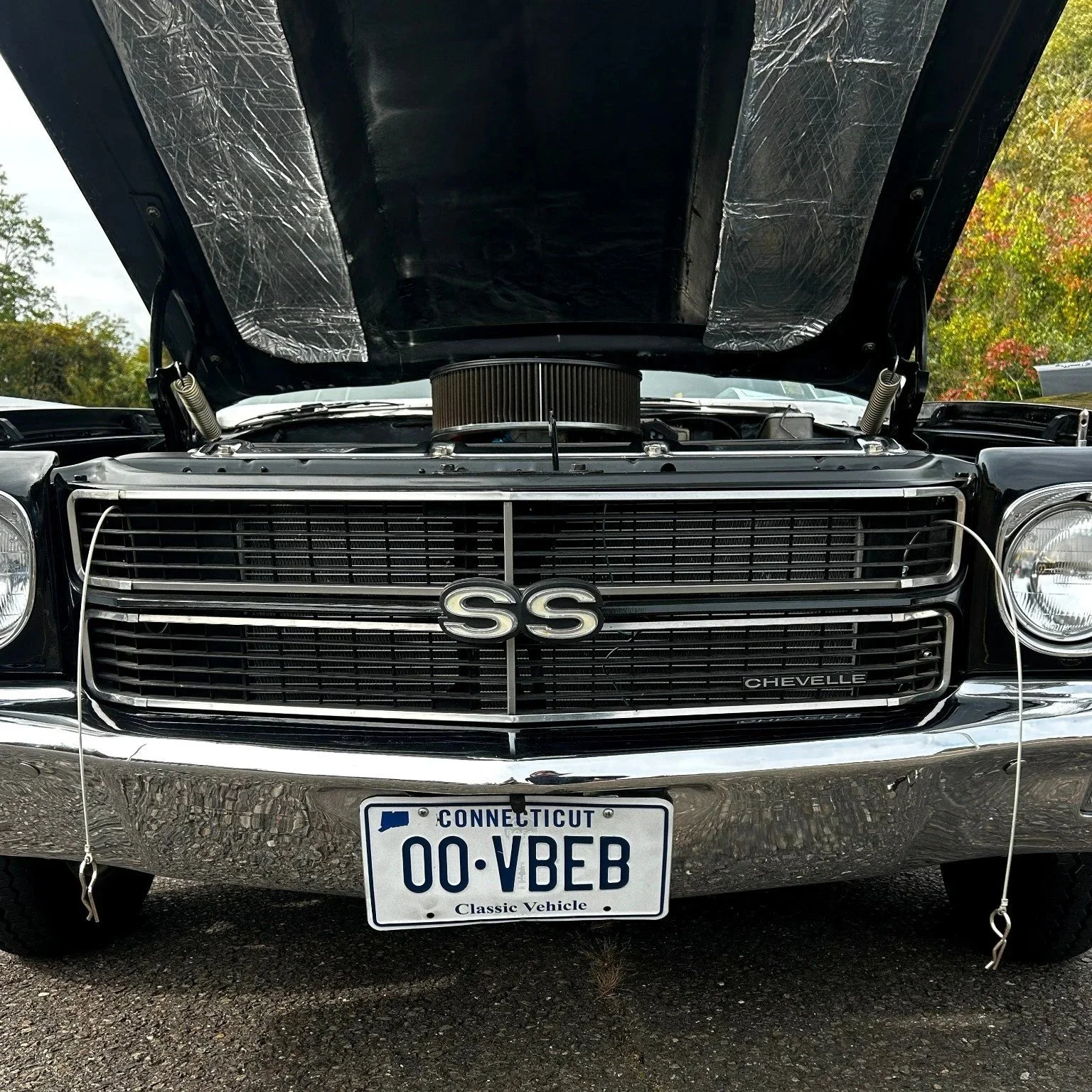
Springsteen gives the narrator a ’69 Chevy with a 396 and someone to go racing with. He could end there, with the specifications and the nighttime run. Instead the song stays around long enough to see what racing looks like from the passenger side of somebody else’s life.
Put it last. After the whisky, the beer and the jokes, this one gives you time to think about the people who go home when the road goes quiet.