

One short question turns the road into a place you can describe to somebody else.
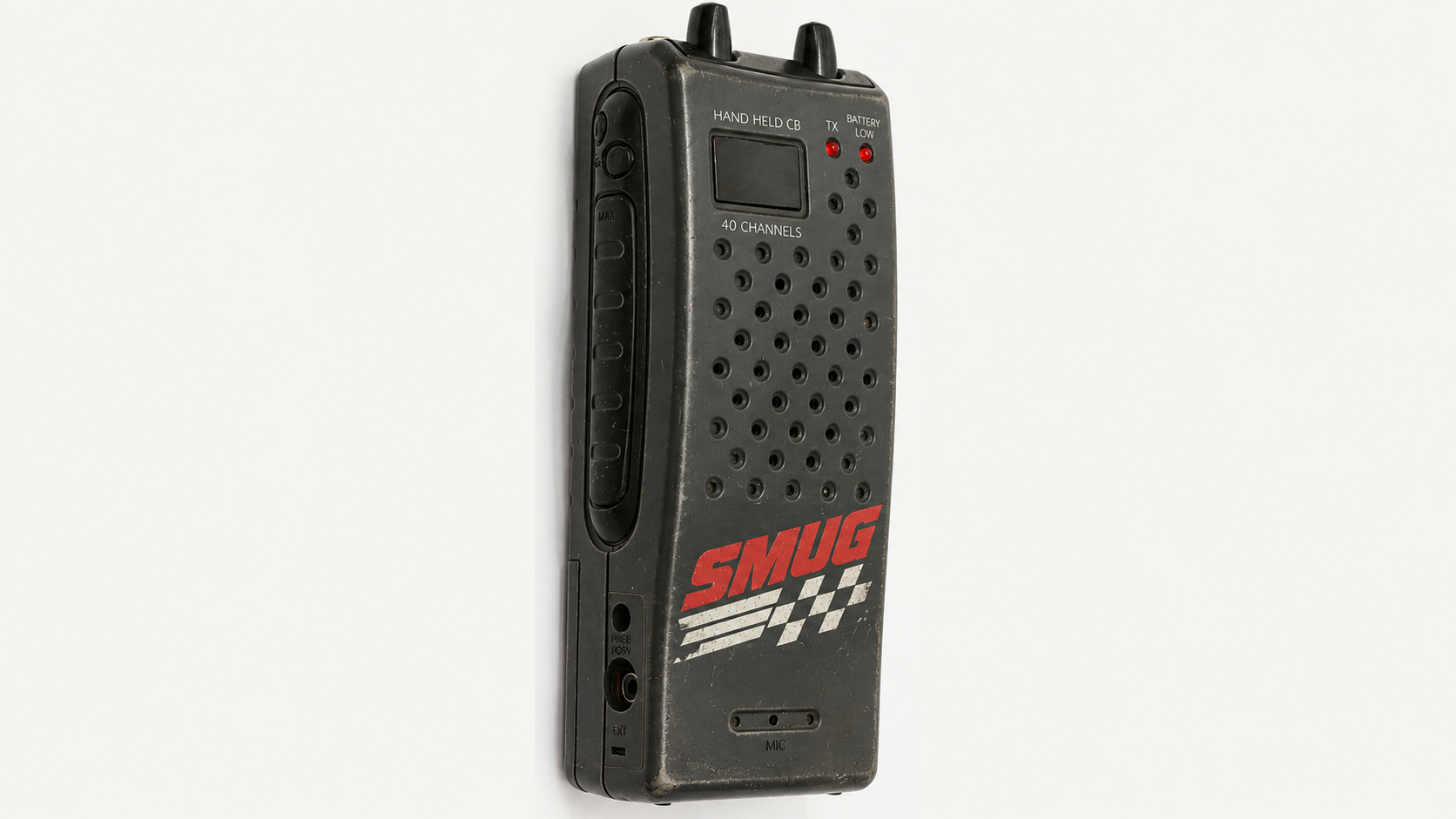
Before a phone could quietly share your location, somebody had to ask. On CB, one way to do that is “What’s your twenty?”
It means: where are you?
The number comes from 10-20. Cobra’s CB ten-code table lists it as “My location is.” In conversation, asking for somebody’s twenty turns that location code into a question. The number refers to the message, not to Channel 20. A channel and a ten-code are two different things. [R1, R2]
Here is an illustrative exchange, written for this article—not a recording or an archival quotation:
“What’s your twenty?”
“Fuel stop at exit twelve. Parked by the entrance.”
The reply works because it gives the other person something usable. A place, an exit, a direction or a nearby landmark can be more helpful than a flourish of borrowed radio slang. The point is to be understood.
That is a large part of the vocabulary’s appeal. It carries the sound of people finding one another while moving: a driver ahead, a friend who took a different turn, someone waiting at the place you were supposed to have reached already. The question is short because the answer matters.
Ten-code lists and road slang are not perfectly uniform across every service, era or region. Cobra’s table is a documented example of how a CB manufacturer explains the language; it is not proof that every person on every radio uses every code identically. If the shorthand is confusing, plain English does the job.
Try separating the three questions that beginners often blend together. Your handle is what you call yourself. Your channel is where the radio is tuned. Your twenty is where you are.
One names the person. One selects the conversation. One finds the human being somewhere out there on the road.
This is CHANNEL 19: one piece of the language at a time.
Sources
R1 Cobra Electronics 29 LTD Classic official support and manufacturer manual
R2 Cobra Electronics 29 LTD AM FM Classic manual CB 10 Codes table