

BREAKER ONE-NINE
The road used to talk back
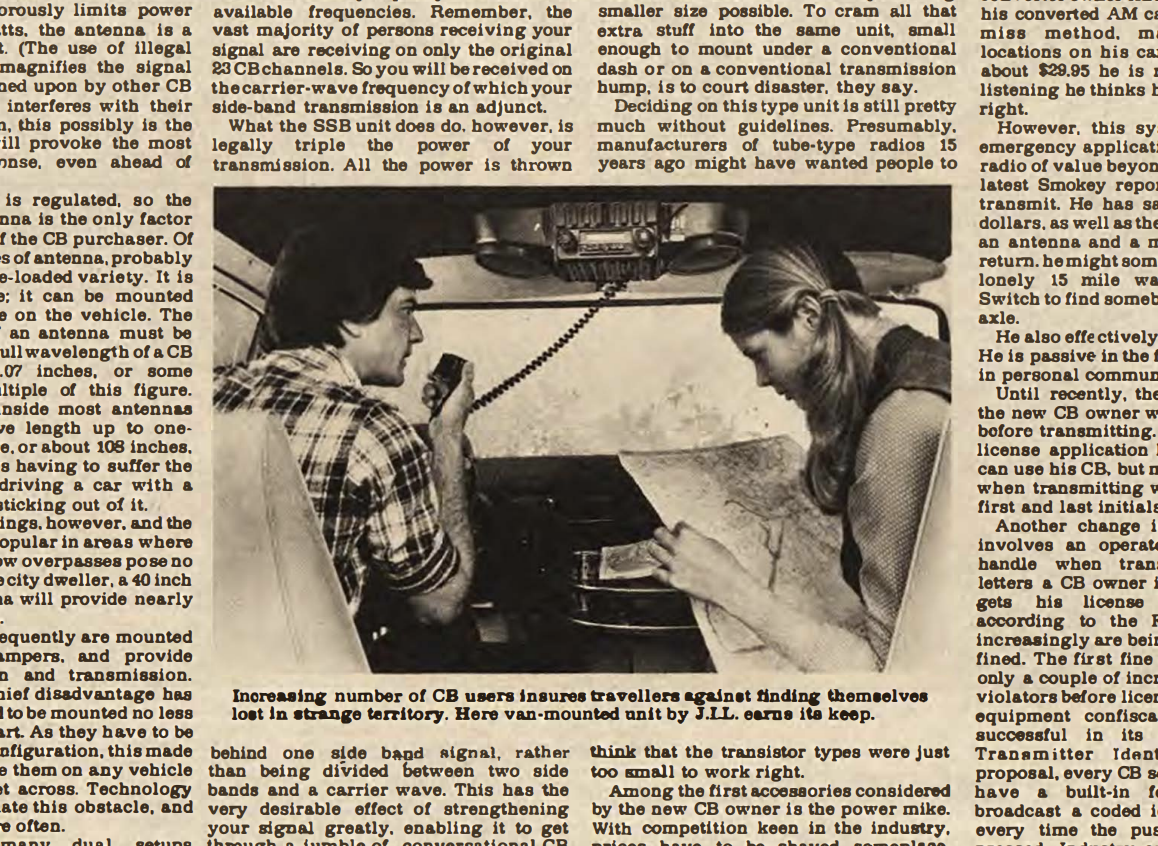
Clip from Autoweek's 1976 guide to CB radio
Before the phone told you what was happening two exits ahead, somebody on the highway might tell you himself. A voice came out of a little speaker under the dashboard. Maybe he was hauling freight through the night. Maybe he was in a pickup, a van, or a car with more horsepower than good sense. Either way, he was on the same stretch of road, listening to the same static.
“Breaker one-nine.” Four words that could open a conversation with strangers moving in the same direction. Not a password. Not a secret society. Just a way to get on the air and see who was listening.
Why nineteen?
CB stands for Citizens Band radio: a short-range, two-way radio service that let ordinary people talk directly to one another without a phone operator or a subscription. In the United States, CB has 40 channels. Channel 19 became the familiar highway meeting place for truckers and other drivers, especially on major roads. The useful part was not that the radio knew everything. It was that somebody else might know something you did not.
A stalled rig, an unexpected backup, bad weather, a place to eat, a little roadside comedy: the information traveled car to car and truck to truck. It could be wrong, exaggerated, or outdated. But it was immediate, local, and human.
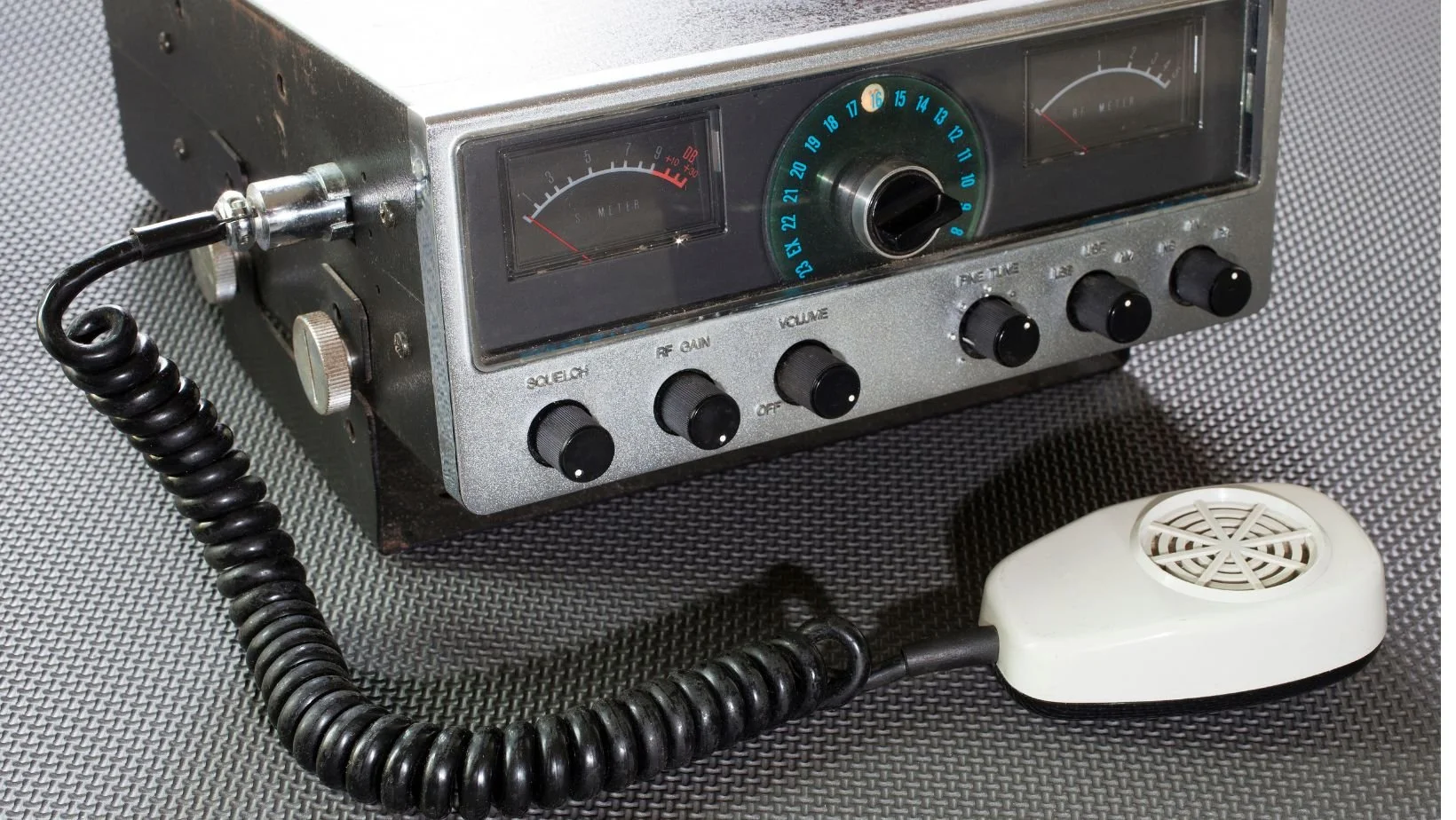
Vintage CB Radio from gsagi from Getty Images Pro
The language belonged to the road
The CB world developed its own rhythm. “10-4” meant the message was received. Your “handle” was the name you used on the air. “Good buddy” could be friendly, though slang shifted with time and place. “Smokey” was a familiar nickname for highway patrol. The words came with regional differences, inside jokes, and more than a few people trying a little too hard to sound like they belonged.
That is why we are starting CHANNEL 19 with a phrase, not a glossary. “Breaker one-nine” only makes sense once you picture the dashboard, the microphone cord, the speaker crackle, and the other person somewhere beyond the headlights.
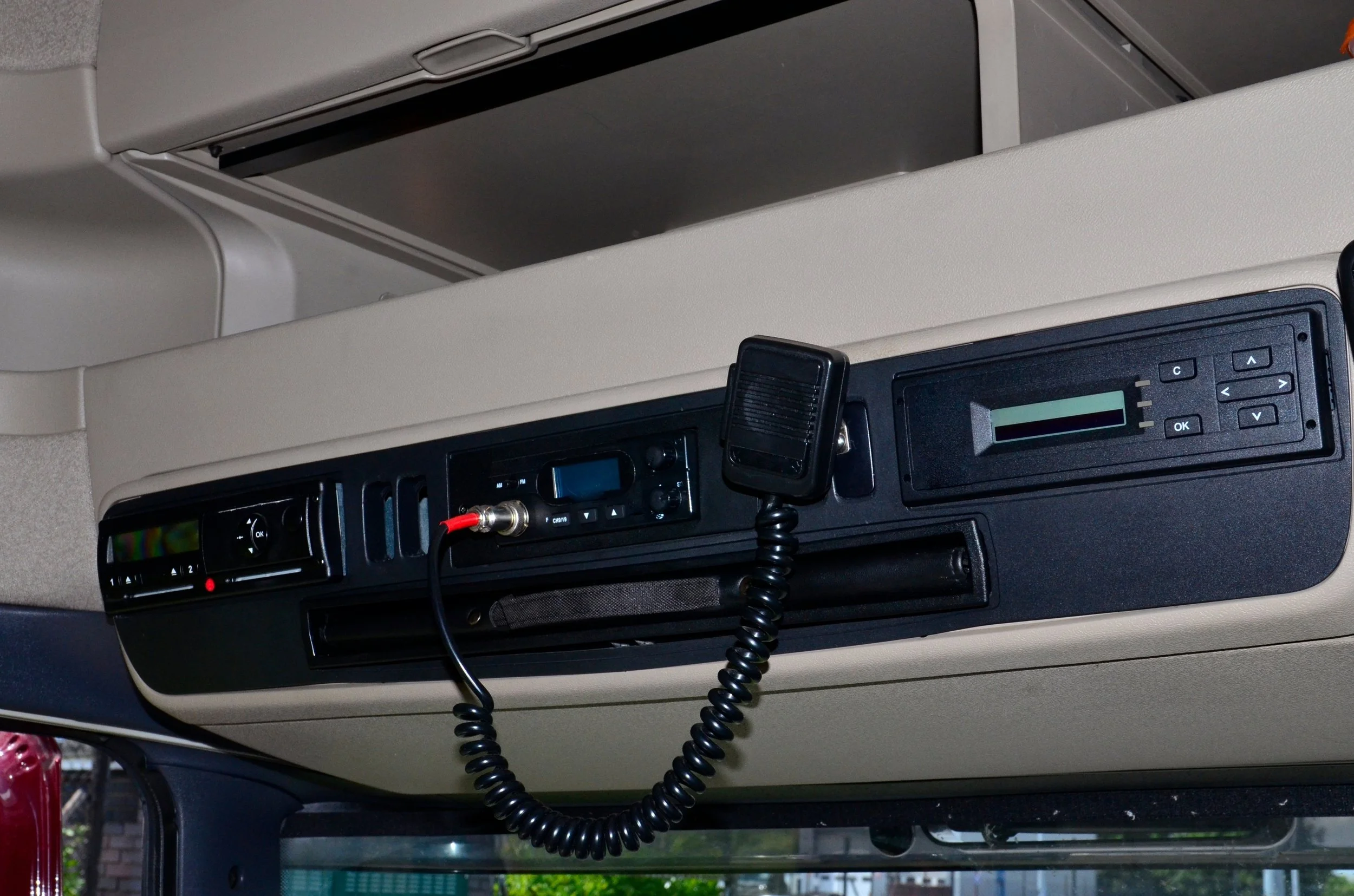
Image by Robert Fotograf from Pixabay
The truckers were the eyes
Long-haul drivers spent their lives on the road. They had the miles, the experience, and often the best view of what was happening ahead. Other drivers listened in. Hot-rodders, travelers, racers heading to an event, people taking the long way home—and, in the documented history of American road culture, some people moving things they did not want noticed. Sharing a frequency did not make everyone part of the same operation. It made them part of the same conversation.
There is a difference between celebrating a piece of history and pretending every radio check was an outlaw plot. The real story is better: a decentralized network, built by people in motion, with its own language and etiquette.
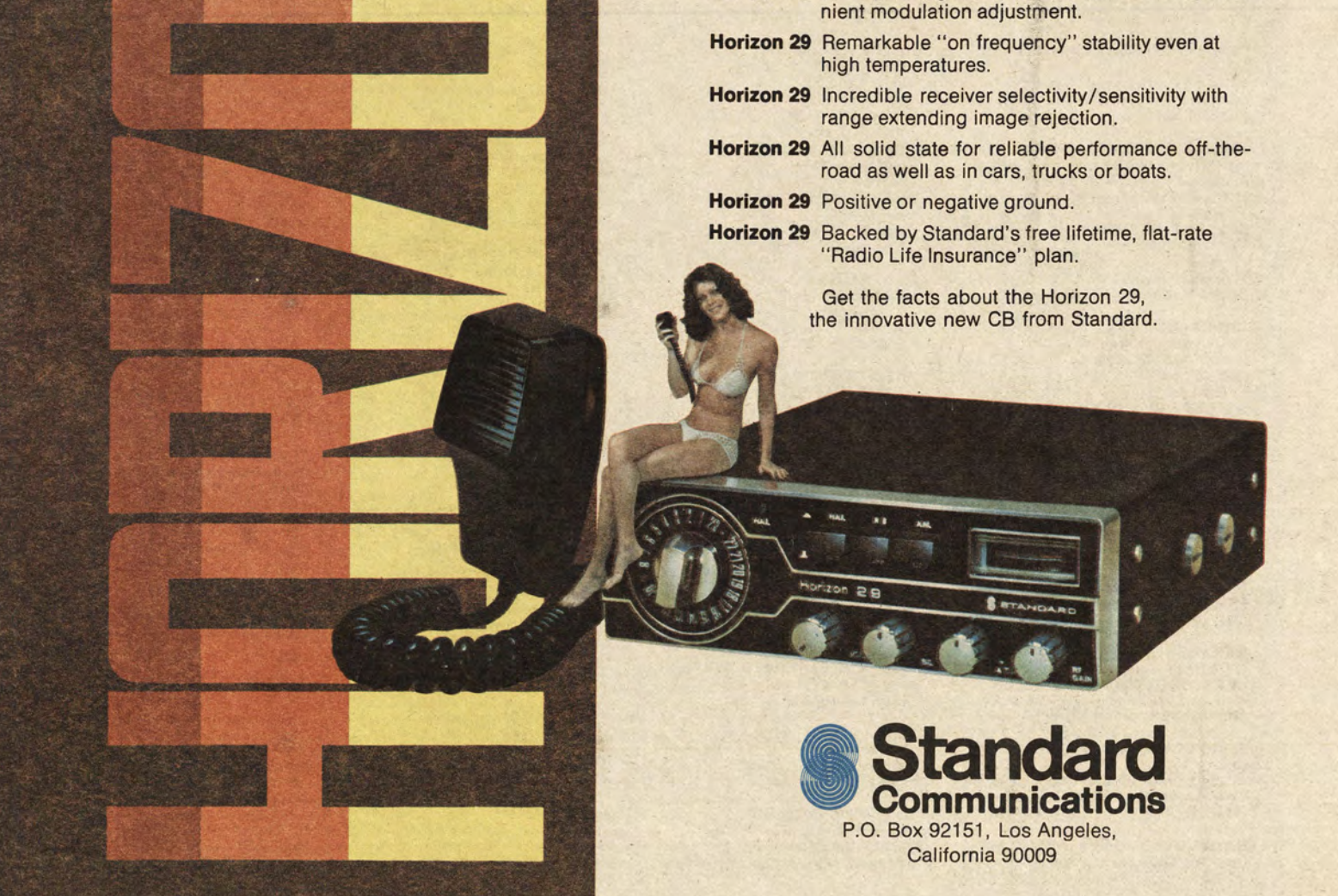
Clip from Autoweek's 1976 guide to CB radio
A little box with a big world inside
The hardware was half the appeal. A radio bolted under the dash. A coiled microphone cord. A metal antenna rising above the roofline. Knobs you could turn with gloves on. It was mechanical, social, and just unreliable enough that knowing how to use it mattered.
Today, the road still has CB users, even if phones, navigation apps, and other communication systems changed the landscape. But that old vocabulary carries an entire American scene with it: truck stops, interstate nights, road movies, modified cars, working rigs, and people who preferred a voice to a notification.
So this is CHANNEL 19. Each week we will pull one phrase, machine, ritual, or story out of that world and put it back on the road where it belongs.
Breaker one-nine. Anybody got their ears on?