

Air-Cooled Nation: From the Hudson Valley to Atlanta
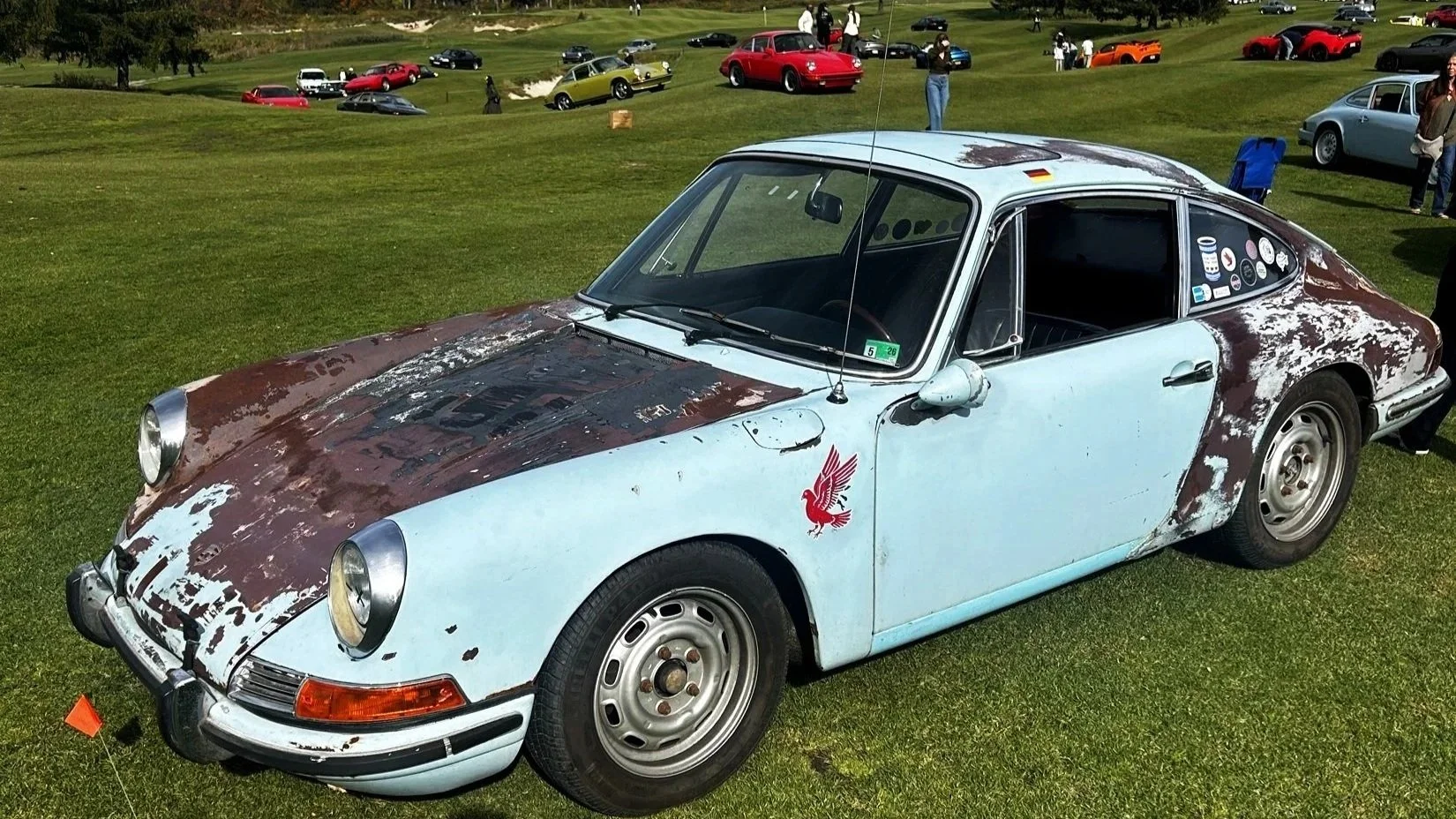
Classic Porsche photographed at the INNESS gathering in the Hudson Valley.
There’s a peculiar kind of devotion that surrounds an air-cooled Porsche. It’s not simply that people like the cars. It’s the way these particular machines inspire owners to memorize chassis numbers, debate mechanical details, and travel hundreds of miles to stand around vehicles that, to an outsider, might look remarkably similar.
This past weekend, that devotion was on display in two very different parts of the country. In New York’s Hudson Valley, enthusiasts from across the region gathered at INNESS. Meanwhile, near Atlanta, Luftgekühlt 12 celebrated air-cooled Porsche history, including the Porsche 935 and its extraordinary racing legacy.
Two gatherings. Two different atmospheres. One shared obsession.
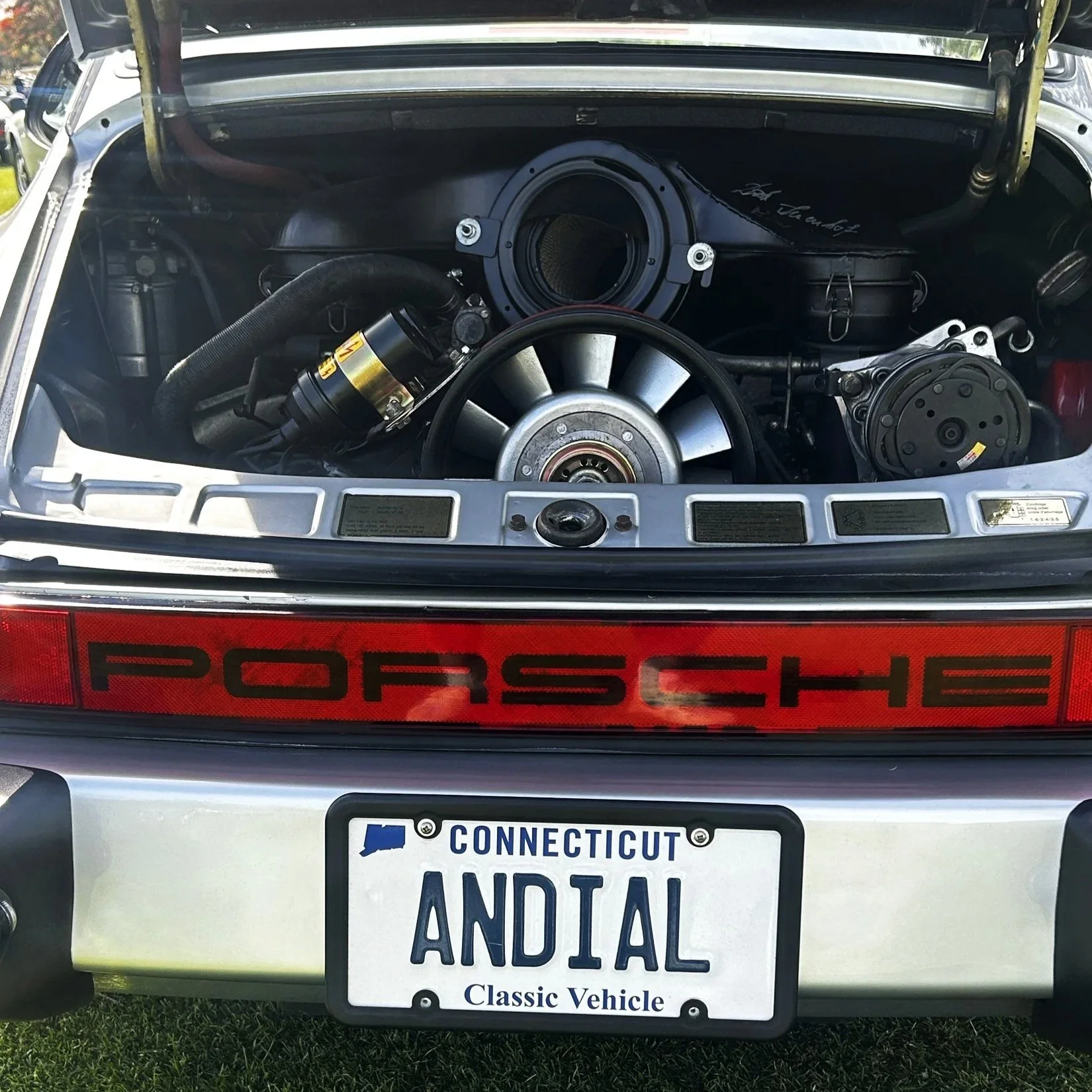
Original photograph from the INNESS weekend.
The Machines That Refuse To Grow Old
For decades, the rear-engined 911 relied on an air-cooled flat-six. The arrangement gave the car a recognizable sound, distinctive proportions, and handling characteristics that demanded respect. The engine sat behind the rear axle. The weight distribution was unconventional. It wasn’t necessarily the easiest way to build a sports car, but it gave Porsche an identity.
The air-cooled 911 era ended with the 993 generation in the late 1990s, as Porsche moved to water cooling with the 996. What disappeared from the production line became something larger in enthusiast culture. Specialists, restorers, collectors, drivers, and obsessive amateurs formed a world around keeping these machines alive.
Some owners pursue factory originality. Others build hot rods, outlaw-inspired customs, or machines designed to be driven hard. Somewhere between those approaches lies the appeal: a car that can be interpreted in dozens of ways without losing its essential character.
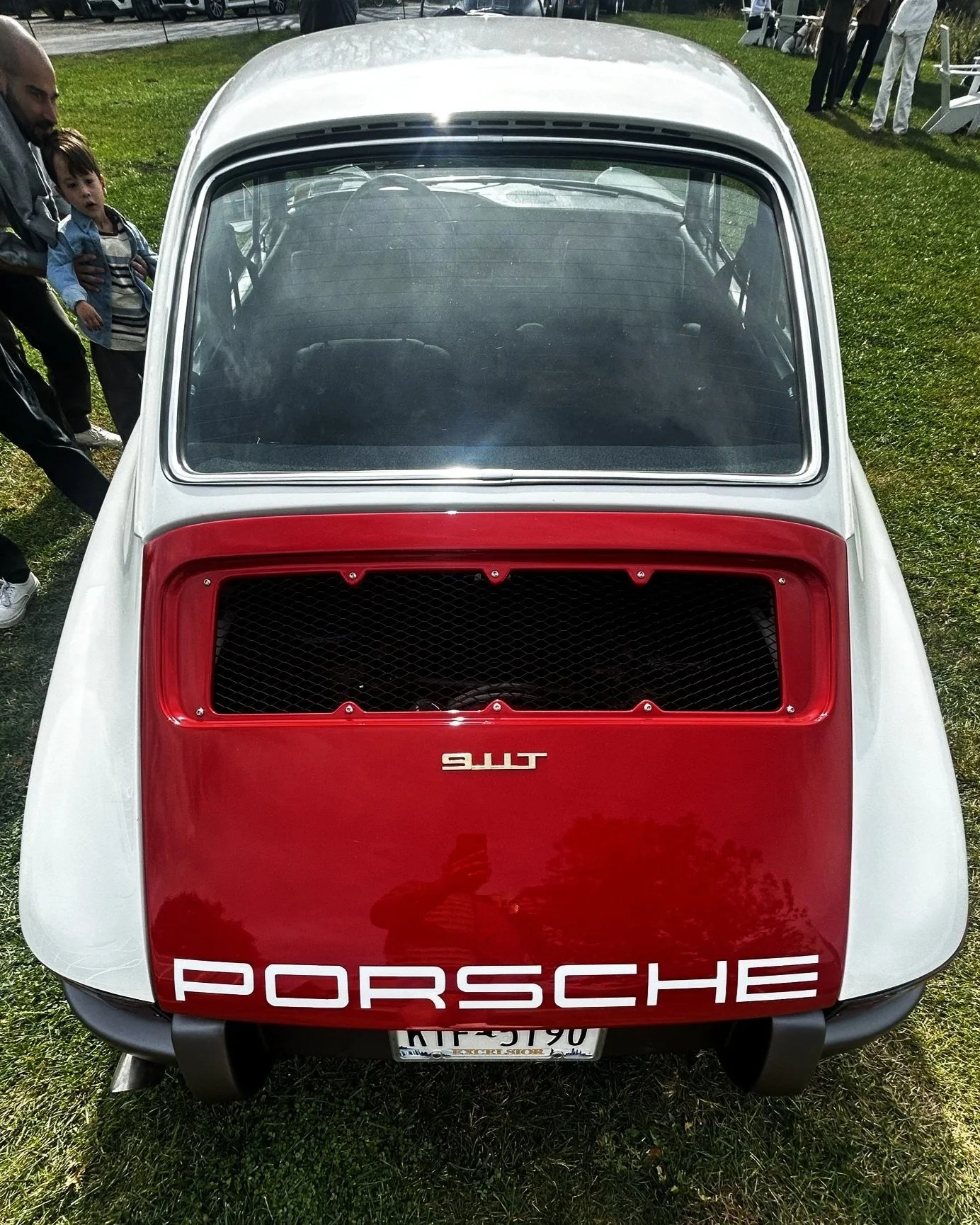
Automotive detail photographed at the INNESS car gathering in the Hudson Valley
The Hudson Valley Approach
At INNESS, the setting offered a reminder that automotive culture doesn’t require grandstands or a racetrack. The weekend’s photographs show cars in the open landscape, viewed through the details that distinguish one owner’s machine from another: a rear decklid, a distinctive fender, a collection of stickers, a taillight assembly.
There’s an intimacy to an event where you can walk around a machine slowly, study its proportions, and see how its owner has chosen to live with it. For people arriving from New York City, Connecticut, and surrounding communities, the journey can become part of the gathering.
A machine preserved in perfect condition can be historically significant. But a machine still being driven participates in history rather than simply representing it.
Atlanta And The 935
On October 10, Luftgekühlt 12 took place at Town at Trilith near Atlanta. Founded by racing driver Patrick Long and creative director Howie Idelson, Luftgekühlt has become a defining event in air-cooled Porsche culture. Its exhibitions emphasize the relationship between machines, architecture, photography, design, and motorsport history.
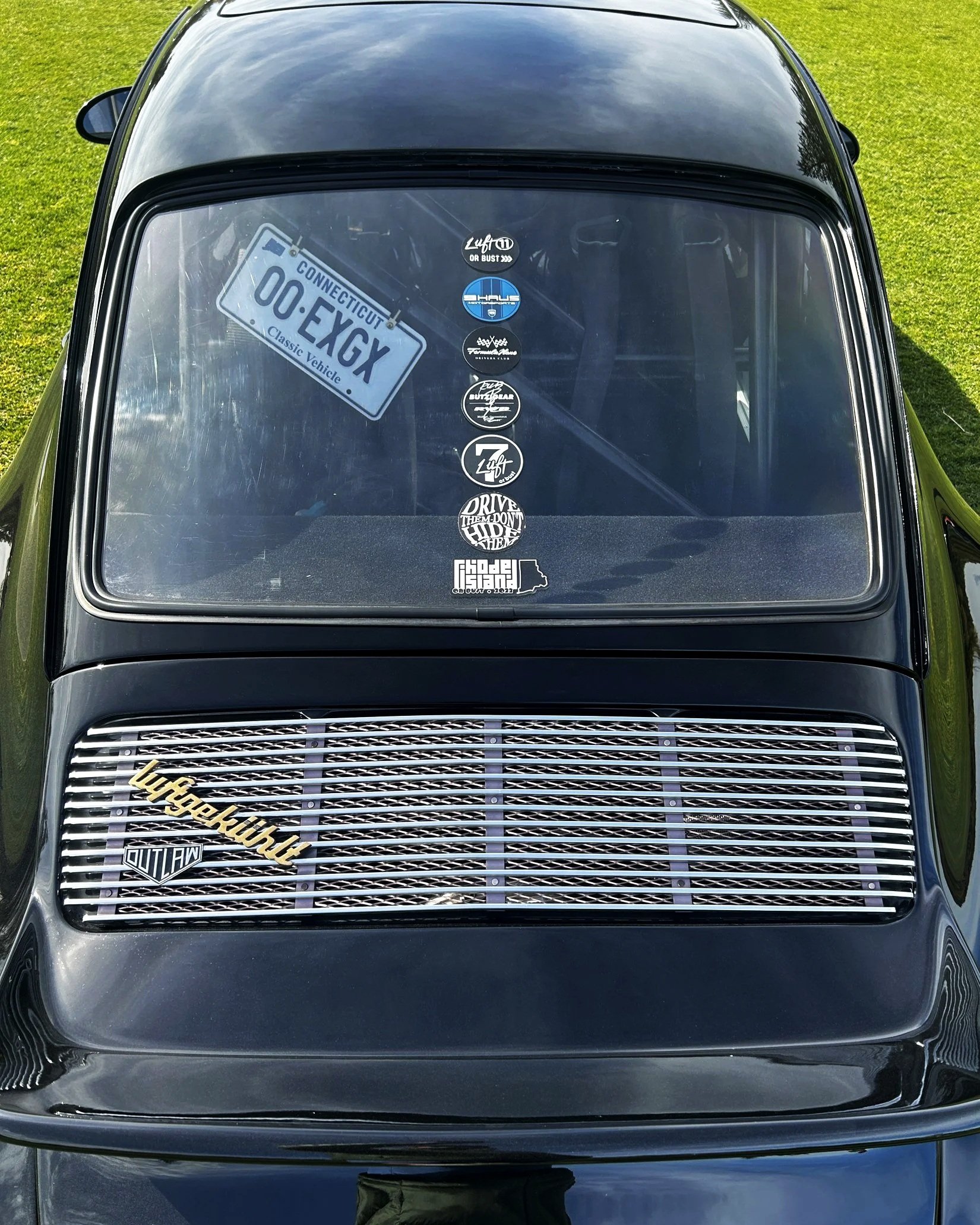
Air-Cooled Porsche at the INNESS gathering.
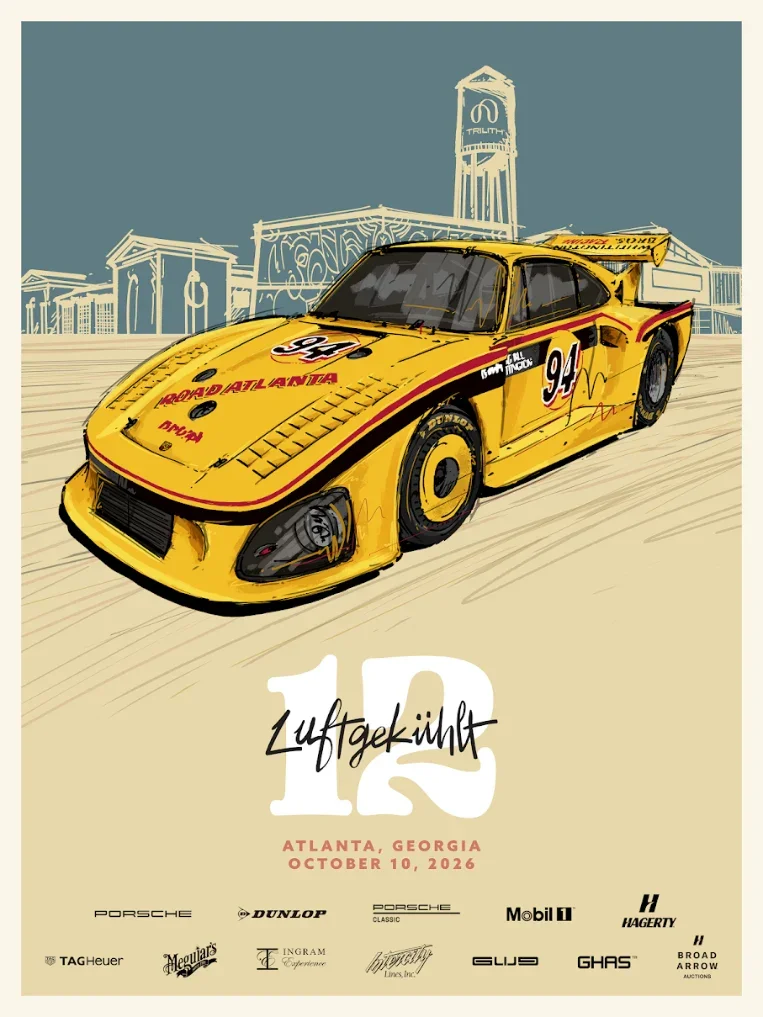
Luftgekuhlt flyer for Octber 10th, 2026 gathering
The 2026 gathering marked fifty years of the Porsche 935, introduced in 1976 for Group 5 racing. Its shape was extraordinary: exaggerated bodywork, aggressive aerodynamics, immense rear tires, and a recognizable connection to the 911 beneath its racing transformation.
Among the cars associated with this history is the 1979 Le Mans-winning Kremer Porsche 935 K3, a machine whose story reaches beyond engineering into one of American motorsport’s most unusual chapters.
The Yellow Porsche And The Brothers From Texas
In June 1979, Don and Bill Whittington shared the Kremer Racing Porsche 935 K3 with German driver Klaus Ludwig at the 24 Hours of Le Mans. Heavy rain, mechanical problems, and attrition reshaped the contest. Despite a costly stop for repairs, the team returned to the race and ultimately won overall.
The victory was historic. It established the 935 K3 as an endurance racing icon and made the Whittingtons part of Porsche’s Le Mans story.
But the racing result was only one part of their story.
Fast Money, Faster Cars
The Whittingtons competed in cars, boats, and aircraft. Their names became connected to Road Atlanta, extravagant racing ambitions, and later criminal convictions related to marijuana smuggling.
The contrast is difficult to ignore: extraordinary driving achievements alongside a story of illicit financing and consequences. The 1979 935 K3 is more than a beautiful racing machine. It’s an artifact from a period when privateer racing was less polished, less corporate, and sometimes far more unpredictable.
The Whittington brothers deserve their own story. Next week, we’ll give them one.
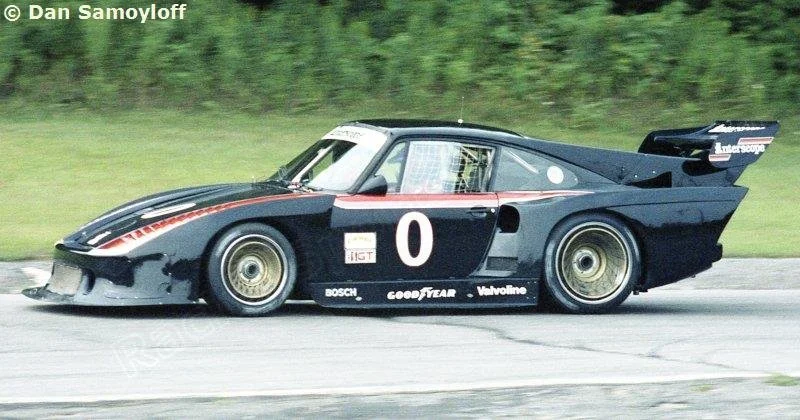
Photo of Bill Whittington’s 935 K3 from RacingSportsCars.com.

Why Air-Cooled Still Matters
It’s easy to reduce the air-cooled phenomenon to nostalgia. Old cars. Old engines. Old racing liveries. Expensive collectibles. But that misses something essential.
These machines invite participation. They can be restored, modified, repaired, driven, raced, documented, and argued about endlessly. Their mechanical architecture is recognizable. Their racing history is unusually rich. Their imperfections are part of the appeal.
At one end of the spectrum is the enthusiast keeping a weathered 911 on the road. At the other is a museum-worthy racing car that once won Le Mans. Both belong to the same broader tradition.
From the Hudson Valley to Atlanta, the underlying fascination is remarkably consistent. People are drawn to machines that carry history in their shapes, sounds, and scars. They want to know where those machines have been—and imagine where they might go next.
Sometimes they simply want to stand behind a beautifully proportioned old Porsche and appreciate the view.
SMUG TOOLS — Runnin’ Hot Forever.
Footnotes and Research:
https://www.elferspot.com/en/car/porsche-993-carrera-1995-6257759/
https://racer.com/2021/04/25/bill-whittington-1949-2021/
https://www.24h-lemans.com/en/news/the-automobile-club-de-l-ouest-remembers-bill-whittington-55039
https://gestalten.com/blogs/journal/luftgekuhlt-brings-porsche-legacy-to-munich