

THE PERSUADER
Before mechanics replaced parts, they persuaded metal. Usually with a hammer.
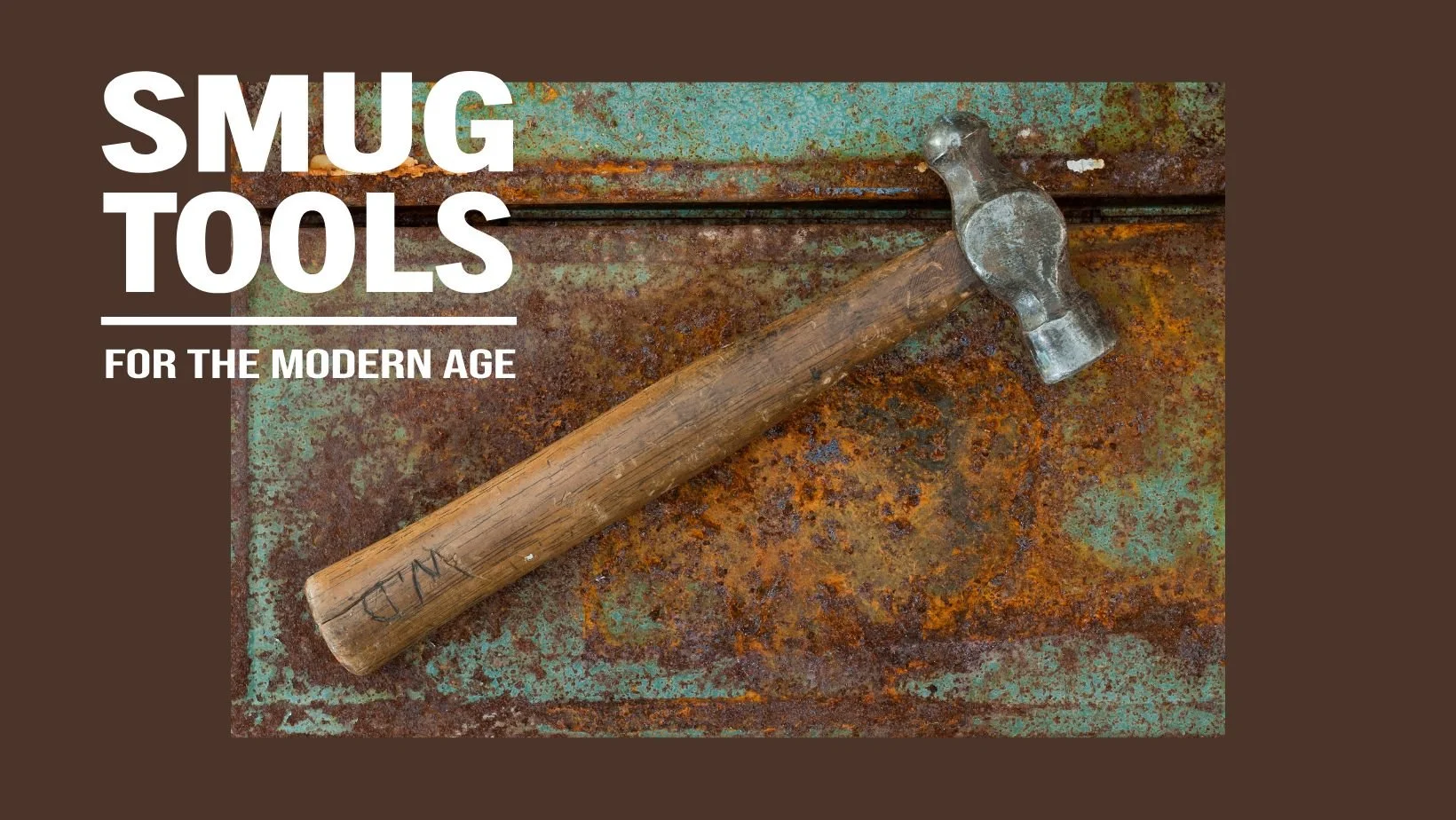
Not Dusty's actual hammer. Vintage hammer courtesy of Getty Images.
A torque wrench measures torque. A puller pulls. A feeler gauge tells you exactly how far apart two pieces of metal are.
Then there is the ball-peen hammer.
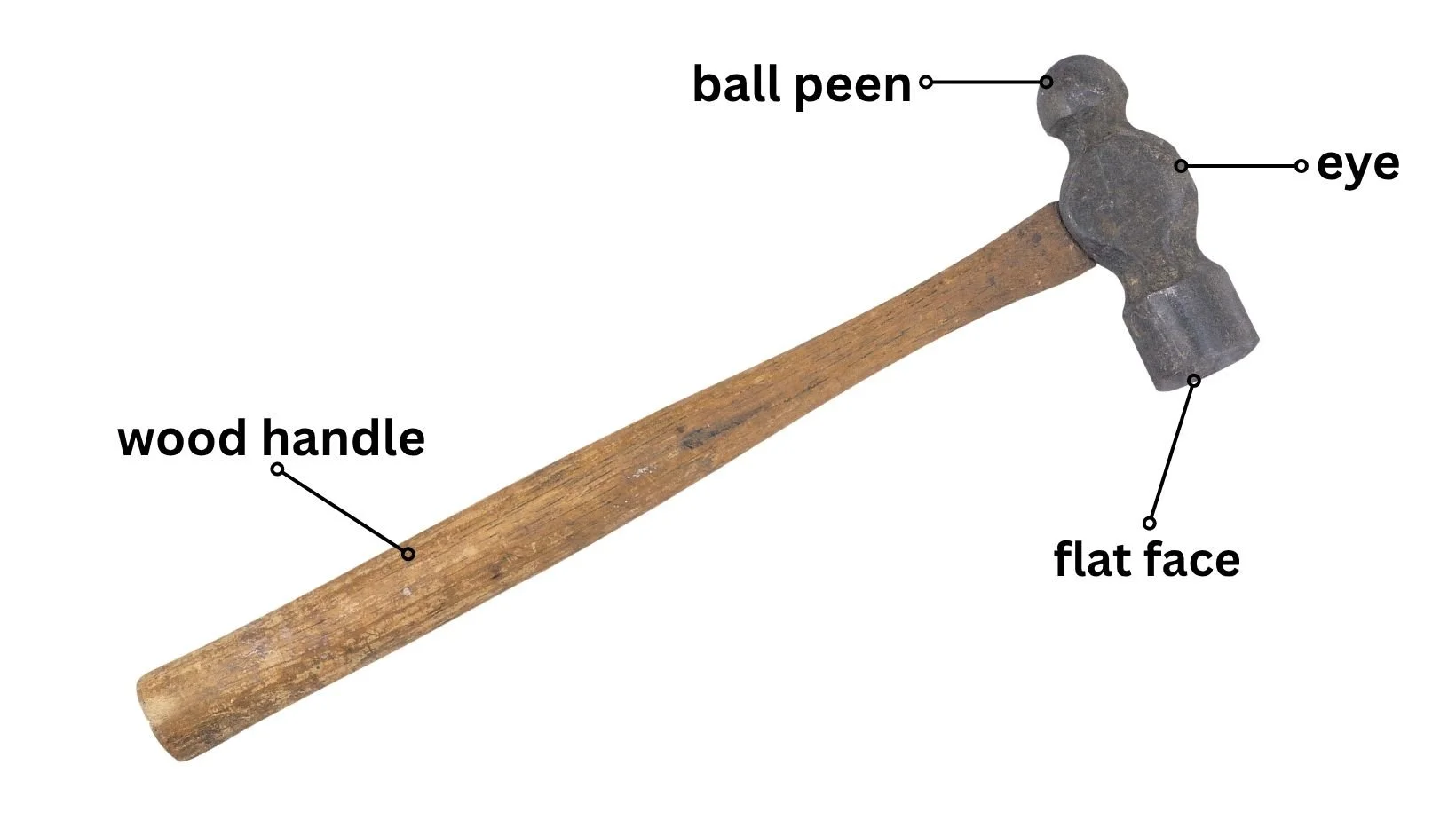
Officially, it is a machinist's hammer: one flat striking face, one rounded peen. The flat face drives punches and chisels, sets rivets and strikes metal. The ball end bends, stretches, rounds and shapes it.
Unofficially, it is the tool mechanics have spent more than a century reaching for when something made of metal needs to reconsider its position.
Before cars were made by replacing modules, they were made by persuading metal.
Sometimes gently.
Sometimes with a hammer.
THE WEIRD END IS THE POINT
The thing that separates a ball-peen hammer from the hammer hanging in somebody's kitchen junk drawer is the rounded end.
That ball is not decoration.
Peening means working metal by striking it. A rounded peen concentrates the blow into a smaller area and lets a mechanic or machinist stretch, shape and round metal without cutting it. It can mushroom the end of a solid rivet. It can work an edge. It can help form sheet metal. It can reach places a broad flat face cannot.
The other end is the business end most people recognize: a hardened flat face for striking punches, cold chisels and other tools made to be hit.
That combination made the ball-peen at home anywhere people built, repaired or modified machinery.
Machine shops.
Factories.
Garages.
Body shops.
Motorcycle shops.
Race shops.
Aircraft hangars.
Anywhere somebody looked at a piece of metal and thought: close, but not quite.
THE TOOLBOX BEFORE THE LAPTOP
Modern repair can be astonishingly precise.
Plug in a scanner. Read a code. Replace a sensor. Swap an assembly. Recalibrate the system.
There is nothing wrong with that. Modern machines demand modern tools.
But older machinery came from a different relationship between the mechanic and the material.
Brackets bent.
Panels needed shaping.
Pins had to move.
Rivets had to be set.
A stubborn part did not always arrive as a sealed unit with a part number and overnight shipping.
Somebody had to make the existing thing work.
That is where simple tools become interesting.
A hammer is primitive only if you do not understand what the person holding it knows.
A good mechanic does not simply hit something harder. He knows where to hit it, what to support behind it, which face to use, how the metal is likely to move and when one more hit becomes one hit too many.
The intelligence isn't in the hammer.
It's in the hand.
THE PERSUADER
Every shop eventually develops its own language.
The big screwdriver becomes the pry bar.
The pipe becomes the extension.
The flashlight gets held in somebody's teeth.
And a hammer becomes the persuader.
Not because smashing machinery is good mechanical practice.
Because machines age.
Rust forms. Heat cycles happen. Parts seize. Previous owners make decisions. Bolts stop behaving like bolts. Brackets acquire shapes the factory never intended.
Then the mechanic begins negotiating.
Penetrating oil.
Heat.
Leverage.
A punch.
A few controlled taps.
Maybe a few less-controlled taps.
The ball-peen sits somewhere in that escalation chart.
There is an important difference between knowing when a hammer is appropriate and simply hitting everything that annoys you.
That difference is roughly the difference between a mechanic and a guy holding a hammer.
WHAT IT IS ACTUALLY FOR
The respectable list is straightforward.
Peening and setting solid rivets.
Shaping and stretching metal.
Rounding metal edges.
Striking center punches and pin punches.
Driving cold chisels.
Working pins and fasteners.
General metal repair and fabrication.
That is why the tool is sometimes called a machinist's hammer. It belongs to the world of metal.
Then there is the other list.
THINGS IT HAS BEEN USED FOR ANYWAY
Freeing the thing that won't move.
Straightening the thing that shouldn't have bent.
Making the aftermarket part fit the factory hole.
Convincing the factory part to accept the aftermarket part.
Removing evidence of the previous owner's repair.
Creating evidence for the next owner to discover.
Holding down paperwork when the garage door is open.
Threatening an inanimate object.
Everything else.
No technical manual will endorse all of those.
Every old garage will understand them.
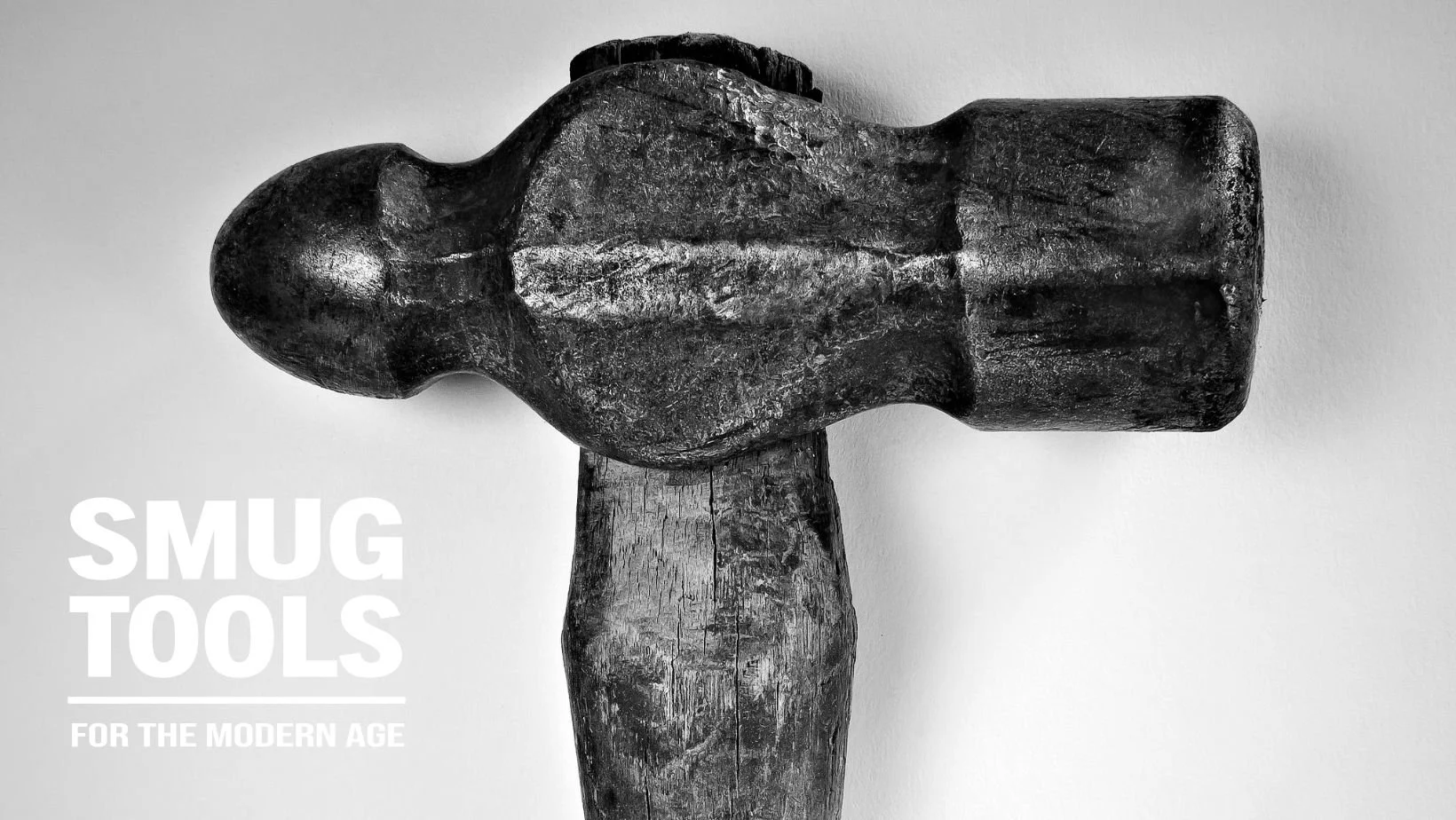
Ball Peen Hammer Photo by WadeHeninger from Getty Images
A TOOL THAT GETS BETTER LOOKING
Most consumer products are designed to look best on the day you buy them.
A good hand tool has the opposite trajectory.
The wooden handle darkens.
The finish wears away where the hand grabs it.
The steel picks up marks.
The face gets dressed.
Initials get scratched into the handle because everybody in the shop owns the same damn hammer.
Eventually the tool stops looking manufactured and starts looking assigned.
That is why an old ball-peen hammer pulled from a drawer can be more interesting than a new one hanging under fluorescent lights.
Its wear is a service record.
You may not know what it fixed.
But you know it fixed something.
36 MAIN STREET
Dusty's Cycles operated at 36 Main Street in Danbury, Connecticut.
We have photographs, objects, stories and the people who were there.
We do not have an inventory of every tool that sat on Dusty's bench.
So we are not going to tell you that a particular ball-peen hammer was his.
That would be exactly the kind of fake heritage we hate.
What we can say is that the ball-peen belongs naturally to the kind of shop Dusty's was: motorcycles, metal, repairs, modifications and machines that occasionally required persuasion.
You would have found tools like it in motorcycle shops all over America.
Some were expensive.
Some came from Sears.
Some came from the local hardware store.
Some had been around so long nobody remembered who bought them.
The important part was that they worked.
WHY MAKE ANOTHER ONE?
This is also why the ball-peen keeps coming up when we talk about future SMUG and Dusty's Cycles objects.
It is not a recovered Dusty artifact, and we do not have Dusty's personal hammer. It is simply the kind of honest shop tool that belongs in the world we are documenting.
If we eventually make a new DUSTY'S CYCLES ball-peen hammer, the standard is simple: it should be a real, useful mechanic's tool that would not look ridiculous behind the counter at an actual motorcycle shop.
Useful.
Simple.
Heavy enough to matter.
Better after it gets scratched.
A wooden-handled ball-peen hammer does not need an invented story.
It already has one.
For more than a century, versions of it have lived wherever people build and repair things made from metal.
The future version may say DUSTY'S CYCLES.
Maybe DANBURY, CT.
Maybe 36 MAIN ST.
If and when we make it, somebody should use the thing.
Put it in a toolbox.
Drop it.
Get grease on the handle.
Use it to drive a punch.
Let the head acquire marks.
Twenty years after we make one, if somebody finds it at a flea market and wonders what the hell Dusty's Cycles was, we'll have done it correctly.
Tools are funny that way.
Clothing tells people who you are while you're wearing it.
A good tool can keep telling the story after you're gone.
Footnotes and Research:
1. Grainger — Ball-Peen & Cross-Peen Hammers
Supports: dual-purpose head; flat face can flatten sheet metal, set rivets, drive punches/chisels; rounded peen bends/shapes/stretches metal.
https://www.grainger.com/category/tools/hand-tools/hammers/ball-peen-cross-peen-hammers
2. Grainger KnowHow — Types of Hammers and Their Uses
Supports: ball-peen originally designed for peening/shaping metal; metalworking, rounding edges, punching and riveting.
https://www.grainger.com/know-how/equipment/kh-types-hammers
3. Popular Mechanics — Types of Hammers
Supports: ball-peen as metalworking/repair/maintenance tool; striking center/pin punches and cold chisels; rounded end for mushrooming solid rivets.
https://www.popularmechanics.com/home/tools/a39425840/types-of-hammers/
4. Popular Mechanics — How to Replace a Tool's Wooden Handle
Practical example of using a ball-peen hammer with a pin punch to drive out rivet shanks.
https://www.popularmechanics.com/home/tools/reviews/a7974/how-to-replace-a-tools-wooden-handle/
5. Popular Mechanics — Restore Your Old Tools
Useful visual/editorial reference for old ball-peen hammers, worn striking faces, rust, handles and restoration.
https://www.popularmechanics.com/home/tools/how-to/a14313/how-to-restore-rusted-old-hand-tools/
6. Smithsonian Air & Space — “Hug an Aircraft Mechanic Today”
Useful contextual reference: explicitly invokes “ball-peen hammers of yore” when contrasting older mechanical work with modern maintenance.
https://www.smithsonianmag.com/air-space-magazine/hug-an-aircraft-mechanic-today-105453088/