

Breaker Breaker Hollywood When CB Radio Took Over America
From Convoy to Smokey and the Bandit: the decade when a dashboard radio became a cultural passport.
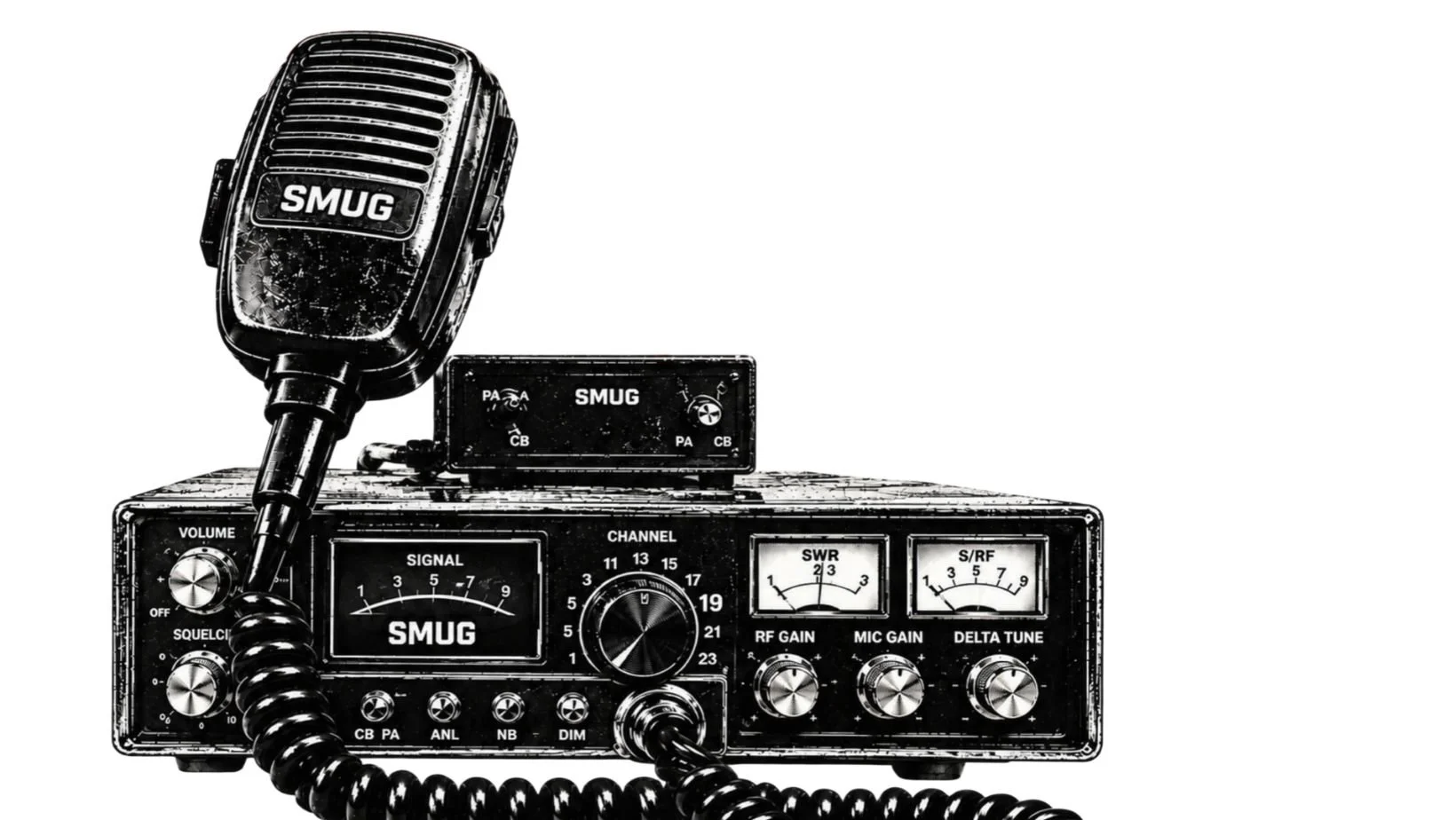
In the late 1970s, a small radio bolted beneath the dashboard could turn an ordinary highway trip into a performance. Drivers had handles. Police had nicknames. Traffic reports came from strangers. And Hollywood suddenly decided that this entire language belonged on a movie screen.
CB—citizens band—radio was practical technology. It allowed nearby drivers to communicate without making a phone call. On the road, that meant warnings about congestion, requests for directions, conversation between trucks and the kind of loose, funny commentary that never survives an official traffic bulletin. Then popular culture discovered the microphone.
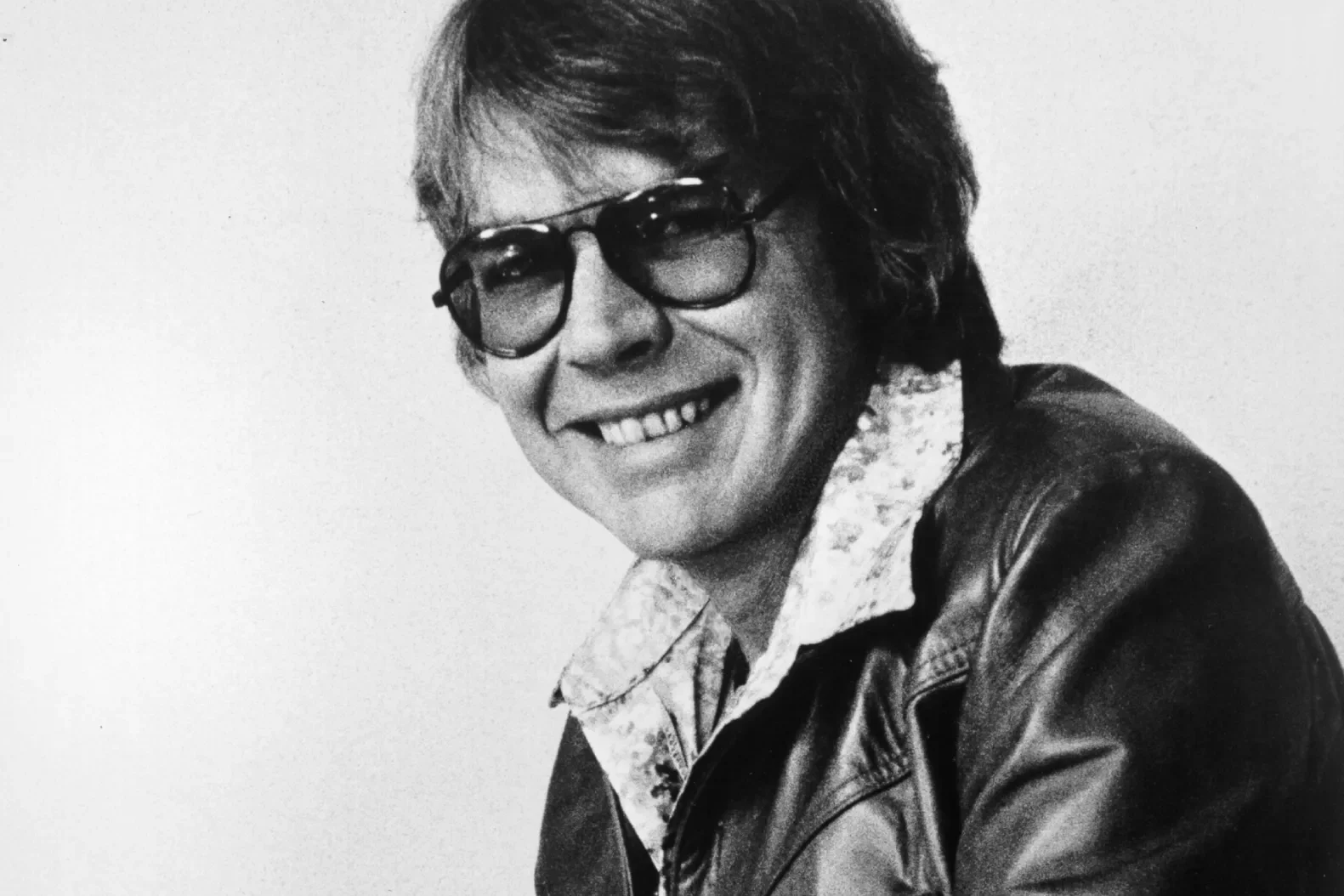
Photo of C.W. McCall from Getty Images
Before the Bandit, There Was a Convoy
C. W. McCall's 1975 song “Convoy” helped turn trucker radio language into a pop-cultural event. Its story of drivers joining forces on the road made CB speech feel like a secret language you could learn by listening. The song became a major hit, and its success demonstrated something advertisers and filmmakers were quick to notice: America was interested in truckers as characters, not just as people delivering freight.
The timing mattered. The highway was both a real transportation network and a stage for stories about independence, friction with authority and people finding solidarity outside institutions. A CB gave those stories a voice.
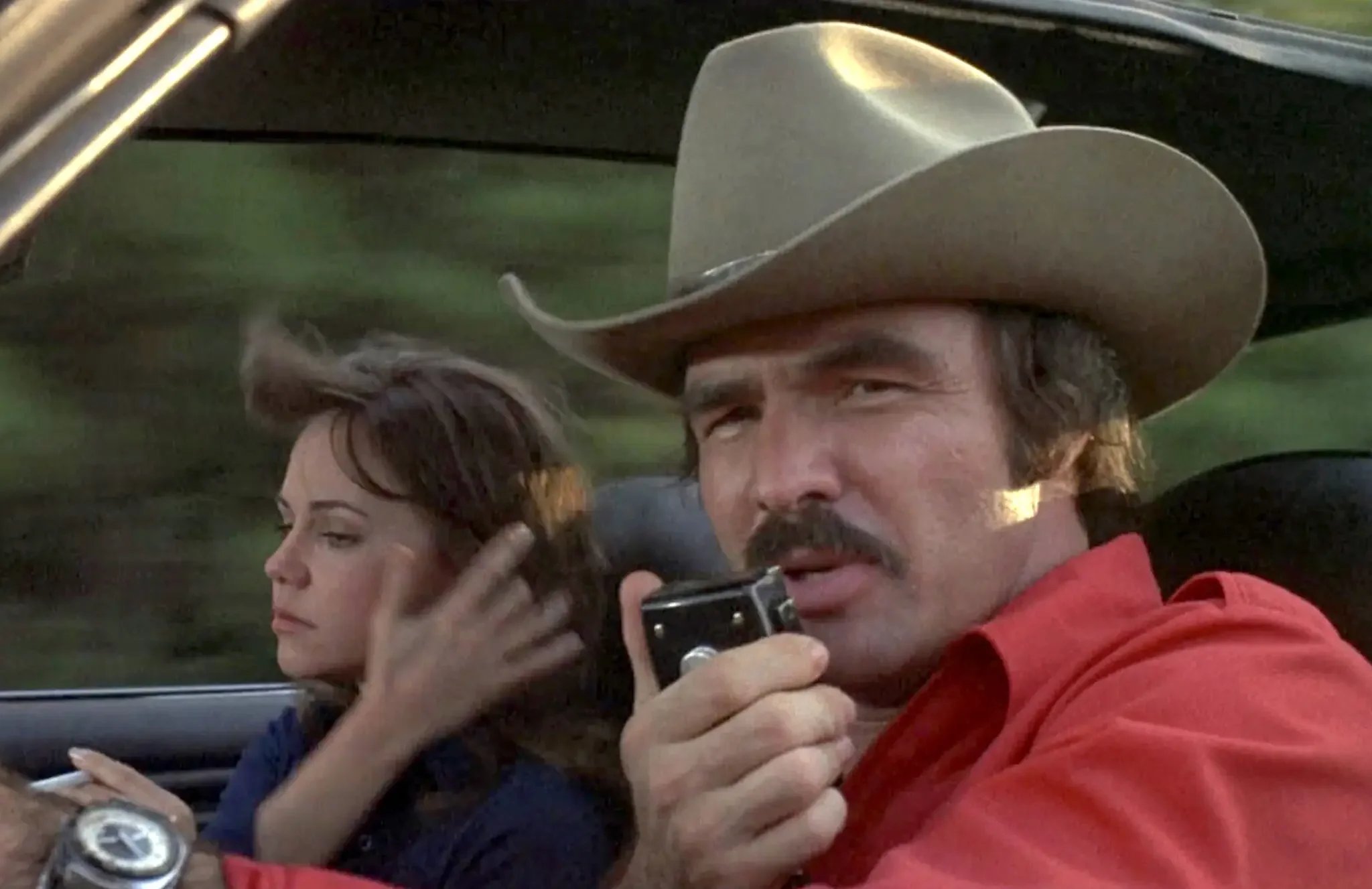
Burt Reynolds using a CB radio in the 1977 movie “Smokey and the Bandit.”
Enter the Bandit
Then came Hal Needham's 1977 film “Smokey and the Bandit.” Burt Reynolds played the Bandit, driving a black Pontiac Trans Am while Jerry Reed's Snowman handled the truck. Jackie Gleason's Sheriff Buford T. Justice supplied the furious pursuit. The movie was built around a ridiculous premise, a lot of charisma and the simple pleasure of watching people communicate faster than the law could catch up.
The CB mattered because it made the chase social. Bandit and Snowman were not isolated drivers. Their radios connected them, helped coordinate the run and gave the audience a front-row seat to the jokes, warnings and personalities. The radio was not just equipment in the car. It was a storytelling device.
It also made the audience feel like insiders. Learn a few expressions, hear them in the movie, and suddenly you are in on the joke. Pop culture loves that trick. A specialized language becomes a ticket into a world.
Sam Peckinpah and Burt Young during the production of CONVOY (1978). Photo from Katy Haber.
The Screen Kept Listening
The same decade gave audiences “Citizens Band,” also released as “Handle with Care,” in 1977, and Sam Peckinpah's “Convoy” in 1978, adapted from the song. Television got in on the action too. The highway was no longer just scenery between destinations; it was a place where people could invent themselves and find one another over the air.
But the movies did not all tell the same story. “Smokey and the Bandit” is a comedy with a fast car and a long-suffering sheriff. “Convoy” leans into collective trucker defiance. “Citizens Band” takes a closer look at the people on the other end of the microphone. Put together, they show how flexible the technology was as a cultural symbol.
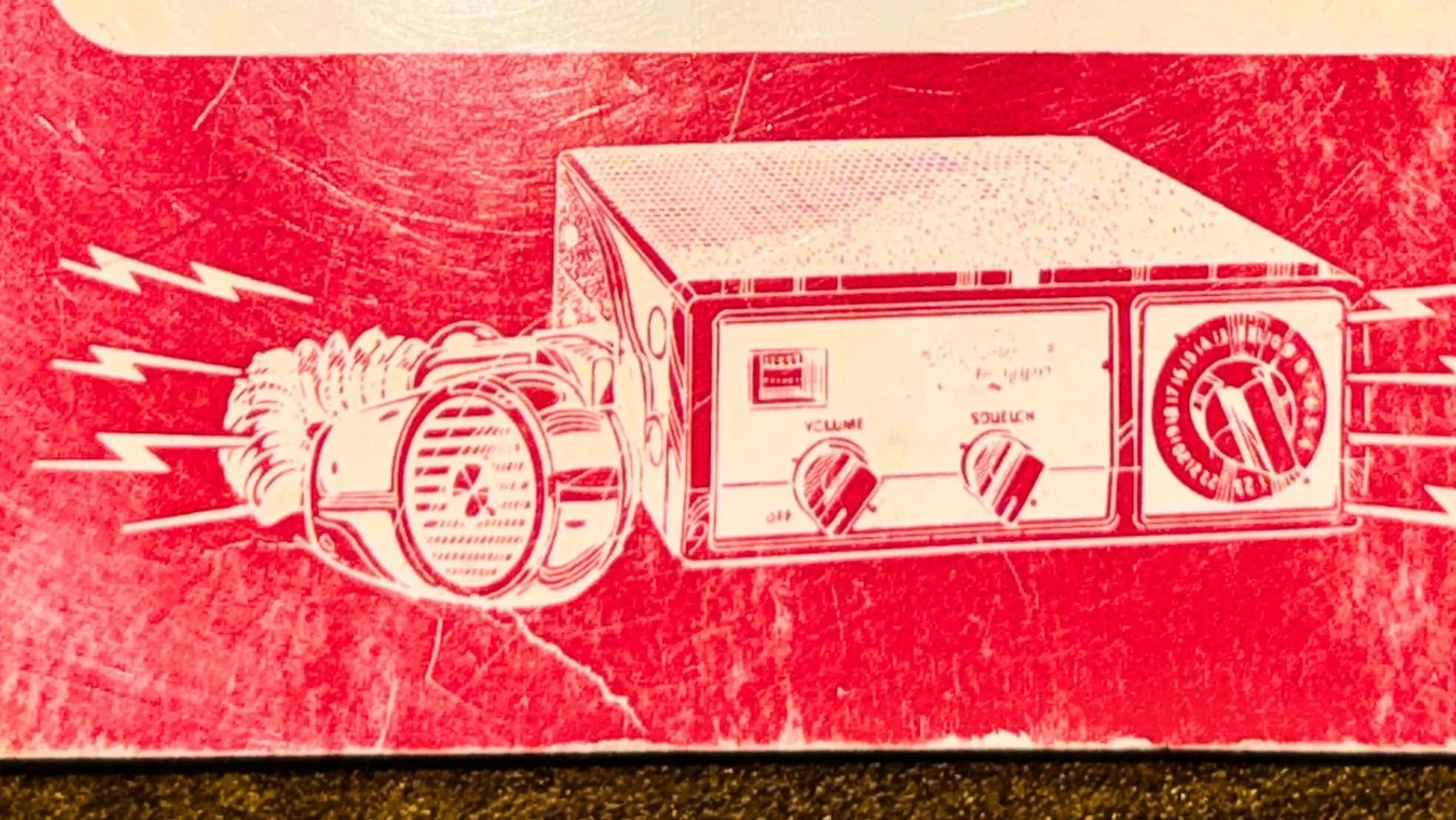
CB Radio illustration from “Guide to CB Slang”
Why CB Became Fashion
The craze was easy to participate in. You did not need to own a race car or drive a semi. You could mount a radio, learn a few phrases, pick a handle and join a conversation. That is a powerful promise: a new identity available for the price of a piece of electronics and a little nerve.
It was also visually irresistible. Chrome microphones, glowing channel numbers, coiled cords, dashboard brackets and antennas looked like the hardware of adventure. Even the physical act of keying a microphone gave dialogue a ritual. Speak. Release. Wait. Somewhere in the static, someone might answer.
And then there was the language. A code such as “10-4” could travel far beyond the radio. So could “Smokey,” “breaker,” and “good buddy,” although their usage and connotations varied by place, speaker and era. The culture was never as uniform as a movie script. That is part of what makes the real history interesting.
The Craze Ends. The Myth Stays.
A mass-market fad cannot stay new forever. As communications technology changed, the CB lost its novelty for casual drivers. But the cultural imprint stayed. You can still recognize a coiled microphone or a channel display as a signifier of the open road, even if you have never transmitted a single word.
That is the interesting part for us. A CB radio is not merely nostalgic equipment. It is a reminder of a period when ordinary people made their own communication network, complete with manners, jokes, legends and an unofficial language. There were no follower counts. You had to be worth listening to.
“Smokey and the Bandit” did not invent that world. It helped put it on a very big screen. The rest of us are still borrowing the attitude.
So next time you see an old radio tucked beneath a dashboard, do not dismiss it as a prop. At one point, that little box made America sound different.