

The Box Cutter The Most Underestimated Tool in the Shop
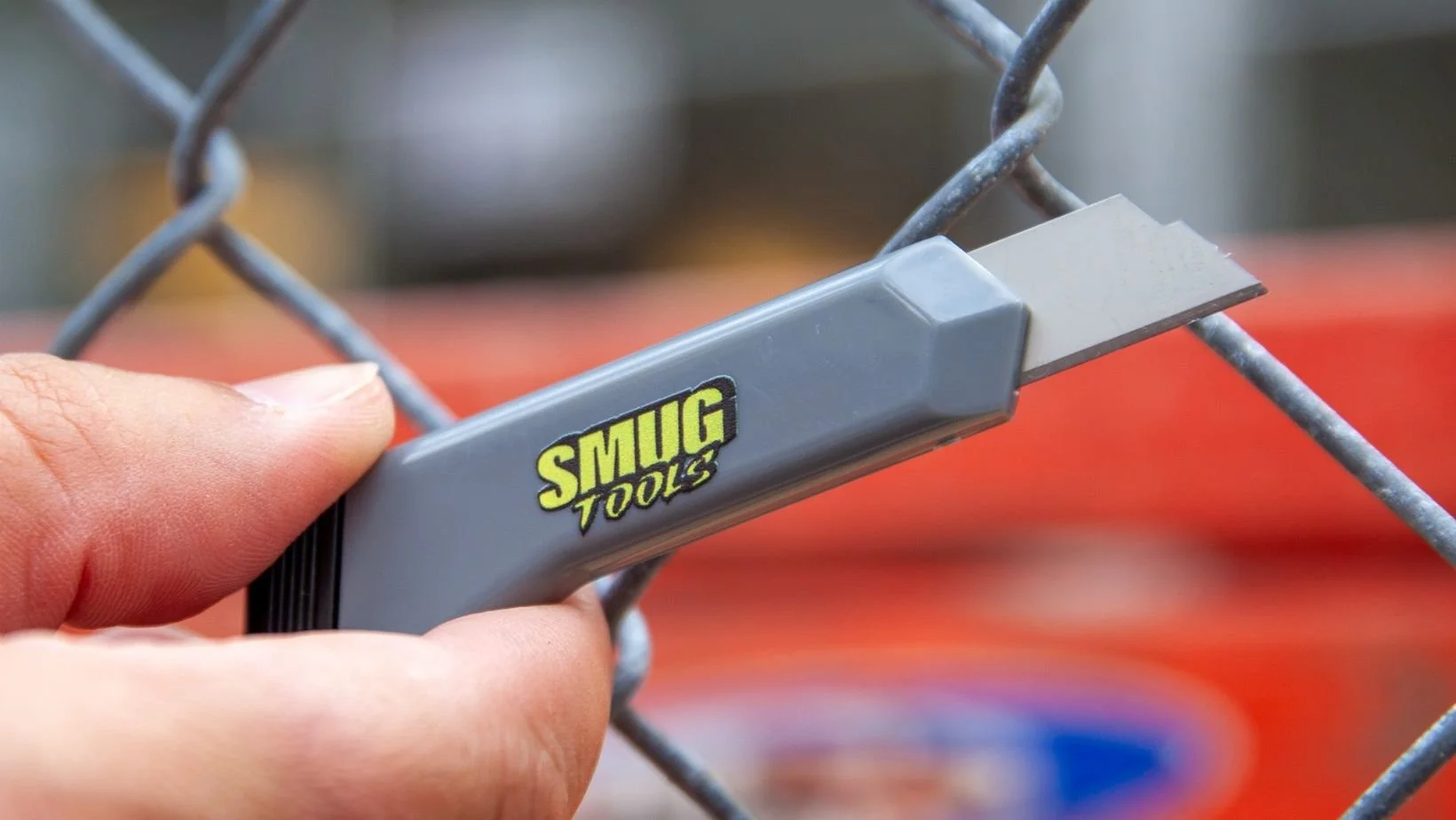
A box cutter has no business being interesting. It is small, cheap-looking, usually covered in tape residue and often missing when you need it. It may also be the most-used cutting tool in the building.
The modern box cutter belongs to a long line of utility knives: tools meant to work, not to impress. A replaceable blade changed the equation. Instead of treating every dull edge as a sharpening project, you could put in a fresh blade and get back to work.
The Museum of Modern Art has documented an early box-cutter design dating to around 1928 and describes the protective razor-blade handle as emerging in the 1920s. Stanley's own company history dates its introduction of utility knives to 1936. Stanley also dates its original retractable Classic 99 to 1952. These are milestones in an evolving category, not proof that one company invented every version of the tool.
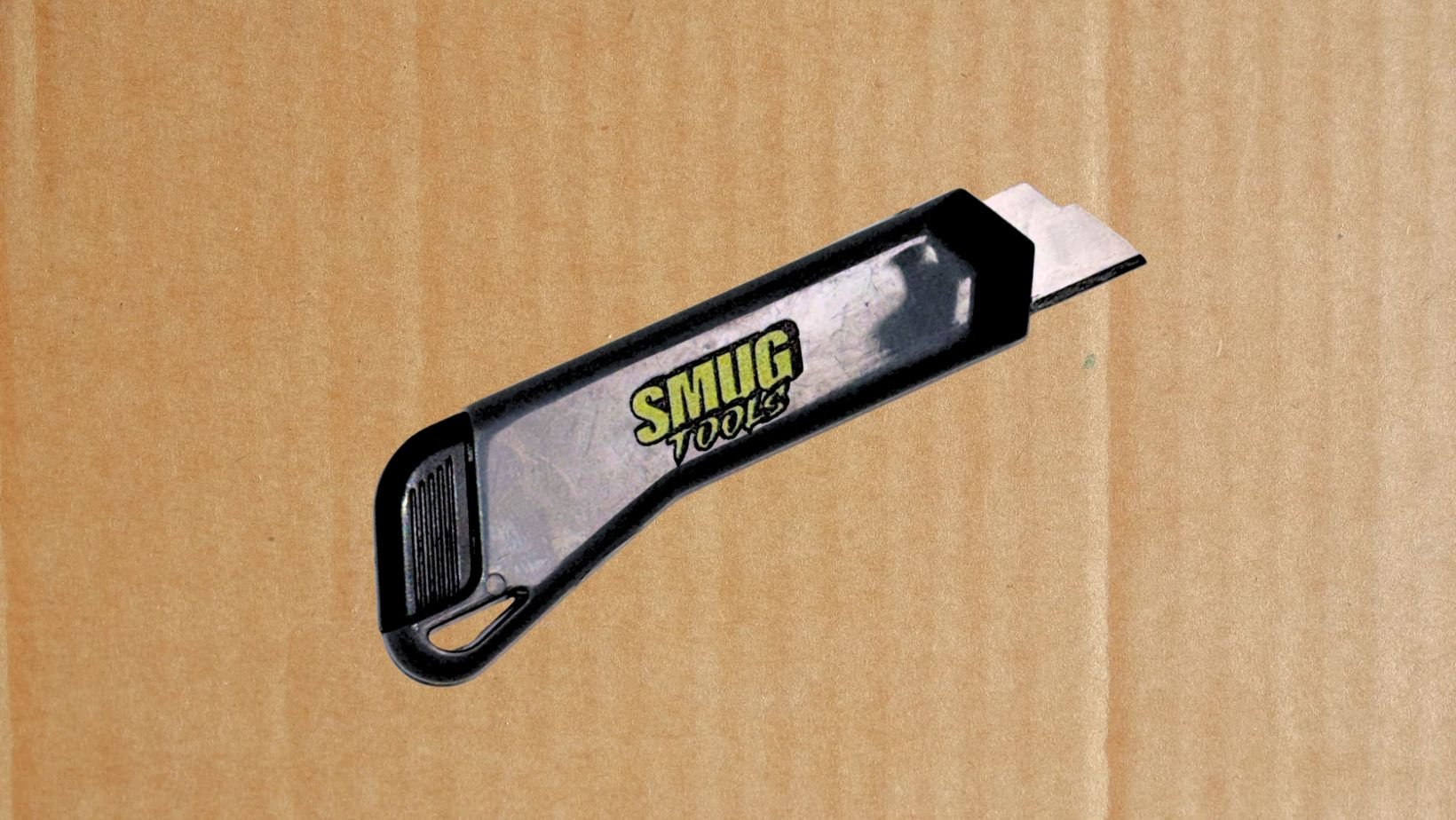
Cardboard Changed the Job
Think about how much of modern life arrives inside a box. The warehouse, loading dock, parts counter, print shop and garage all share a recurring task: open the package without destroying what is inside. A good utility knife solves that problem with minimal ceremony.
And the blade does not stop at cardboard. People reach for utility knives to cut tape, trim materials, score surfaces and handle the small jobs that are too annoying for a larger tool. That versatility is why the shape has survived countless attempts to improve it.
The Tool Nobody Brags About
Nobody gathers friends around the workbench to admire a box cutter. They just borrow yours, forget to return it, and ask where it went.
That is why we like it. The humble tool that does a hundred unglamorous jobs is a better emblem of actual work than a drawer full of equipment that never gets dirty.
SMUG makes its own box cutter because this is the kind of thing we believe should be worth keeping. The point is not to turn a utility blade into a trophy. It is to make an everyday tool you actually want to reach for.
Use the right blade for the job, retract or cover it when not in use, and replace damaged blades safely. Even an ordinary tool deserves your attention.

Footnotes and Research:
MoMA: https://www.moma.org/interactives/exhibitions/2013/designandviolence/the-box-cutter-slash-utility-knife/ ; Stanley history: https://www.stanleytools.com/en-us/resources/stanley-history ; Classic 99: https://www.stanleytools.com/en-us/product/10-099/classic-99-retractable-blade-utility-knife